




Detaillierte Informationen finden Sie in unserer speziellen Broschüre über Prüföfen für Kohle, Koks und Eisenerz (bitte oben herunterladen).
Carbolite hat eine Reihe von Kohle- und Koks-Testöfen für die Proximitätsanalyse entwickelt, um die Menge an Feuchtigkeit, Asche, flüchtigen Bestandteilen und gebundenem Kohlenstoff in Kohleproben qualitativ zu bewerten oder quantitativ zu messen. Weitere Produkte sind für die Bestimmung der Reaktivität von Koks, der Reduzierbarkeit von Eisenerz, der Schmelzbarkeit von Asche, des Quellzahlindexes, der Ausdehnung und Kontraktion von Kohle und der Anbackungseigenschaften erhältlich.
Das Spektrum der in einem Ofen durchgeführten Kohle- und Koksuntersuchungen ist über viele Jahre hinweg gewachsen, und Carbolite hat auf die Anforderungen jeder neuen Norm reagiert, indem es ein Produkt entwickelt hat, das den spezifischen Anforderungen jeder Prüfmethode entspricht.
Die Produktpalette umfasst Labormodelle für Routineprüfungen und große Pilotanlagen, von denen einige nur bei Carbolite erhältlich sind, wie z. B. der Koksofen mit beweglicher Herdplatte und variabler Breite, der sowohl in Kohleforschungseinrichtungen als auch in großen Stahlwerken auf der ganzen Welt zu finden ist.
Die Produktpalette von Carbolite erfüllt die Anforderungen der einschlägigen internationalen Prüfverfahren nach ISO, ASTM, EN, BS und DIN.
Kohle- und Koks-Testöfen im Pilotanlagenmaßstab von Carbolite umfassen:
- SHO - Single Sole Heated Oven
- CRI - Coke Reactivity Furnace
- CSR - Coke Strength after Reduction Furnace
- CTO 7 - Fixed Wall Coke Test Oven
- MWO - Moving Wall Coking Test Furnace
- GK - Gray King Coke Test Furnace
- IOR - Iron Ore Reducibility Furnace
- GLO - Coal Characterisation Furnace
- LTD - Low Temperature Reduction Furnace
Kohle & Koks Pilotanlage Prüfgeräte Beispiele
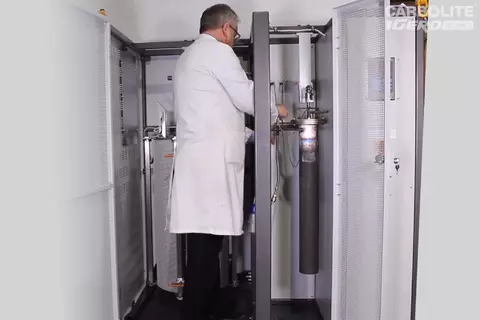
CRI - Coke Reactivity Furnace
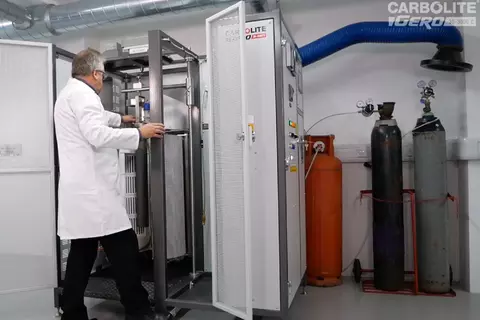
IOR - Iron Ore Reducibility Furnace
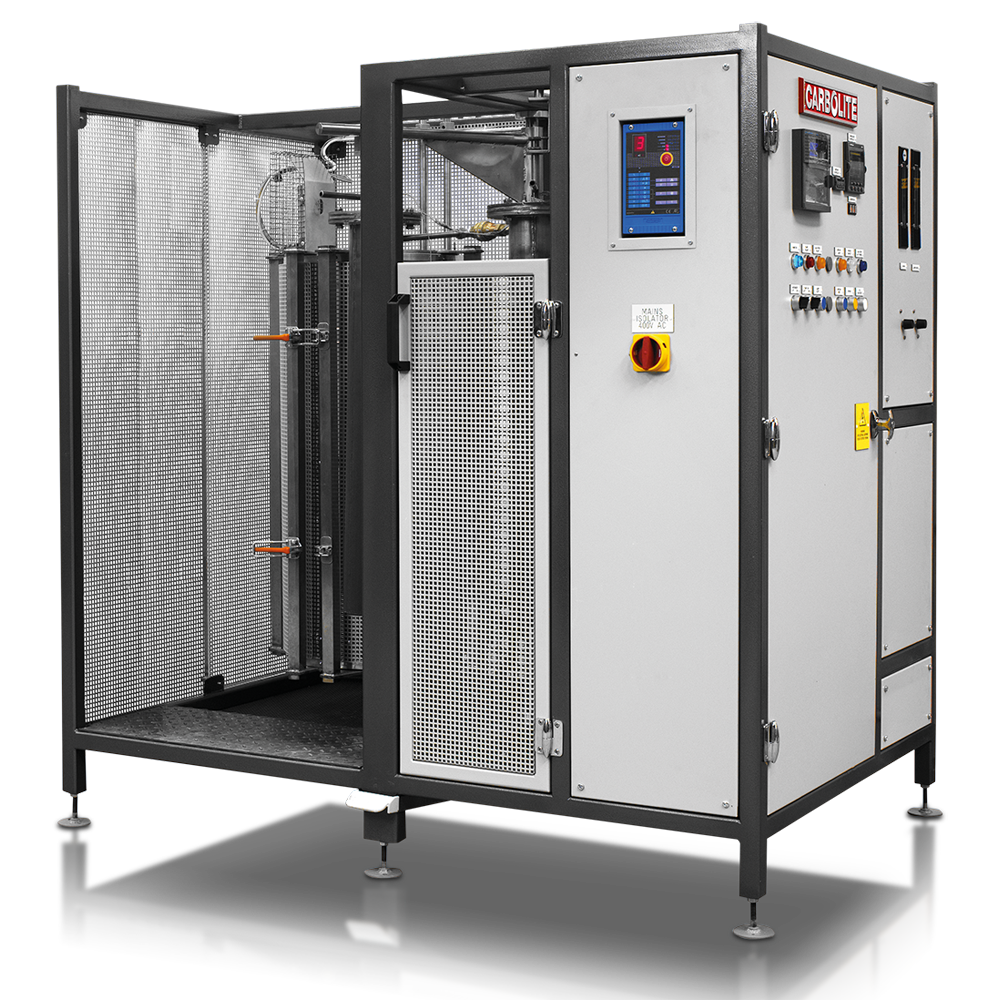
CRI - Coke Reactivity Furnace
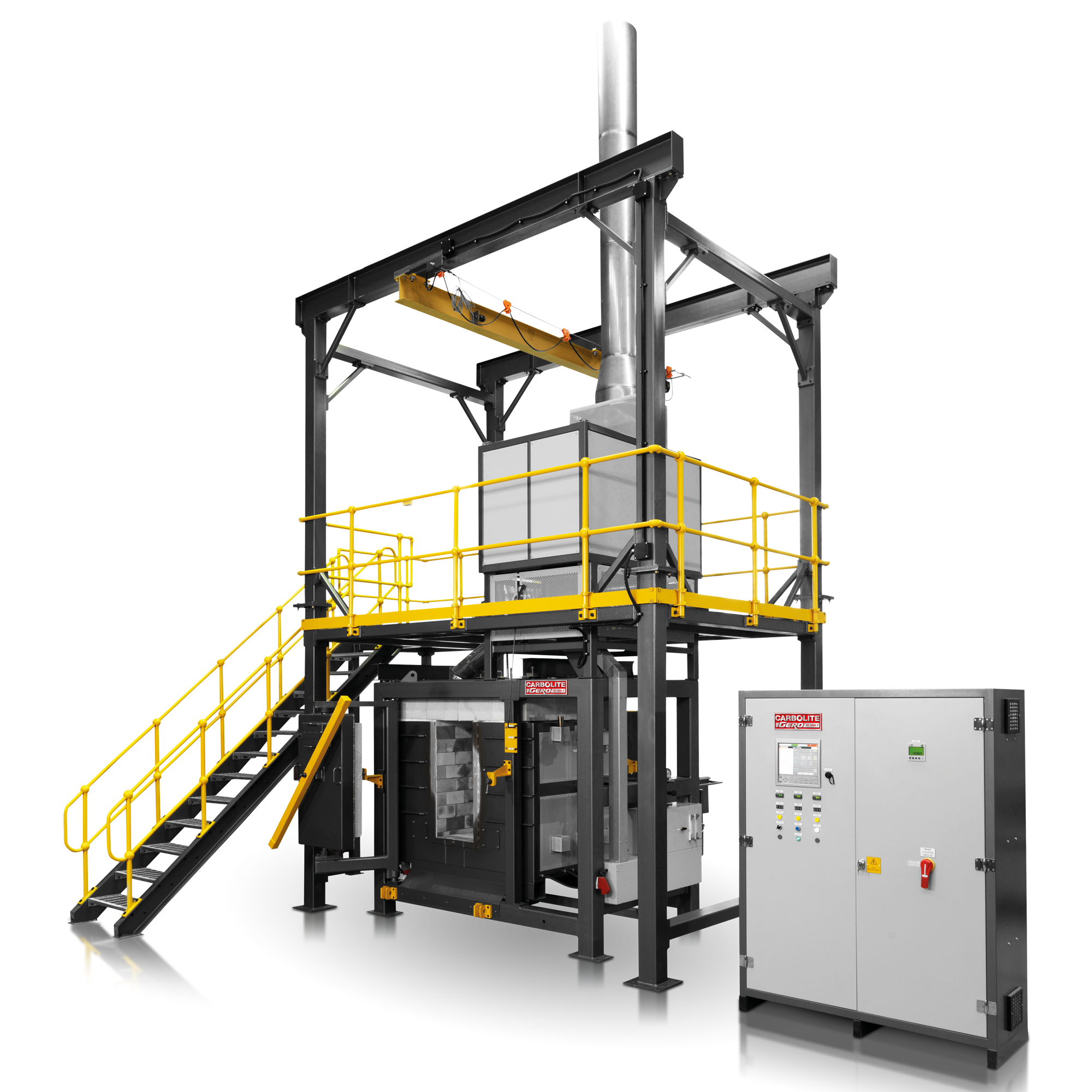
MWO 227 kg -Koksversuchsofen mit variabler Breite
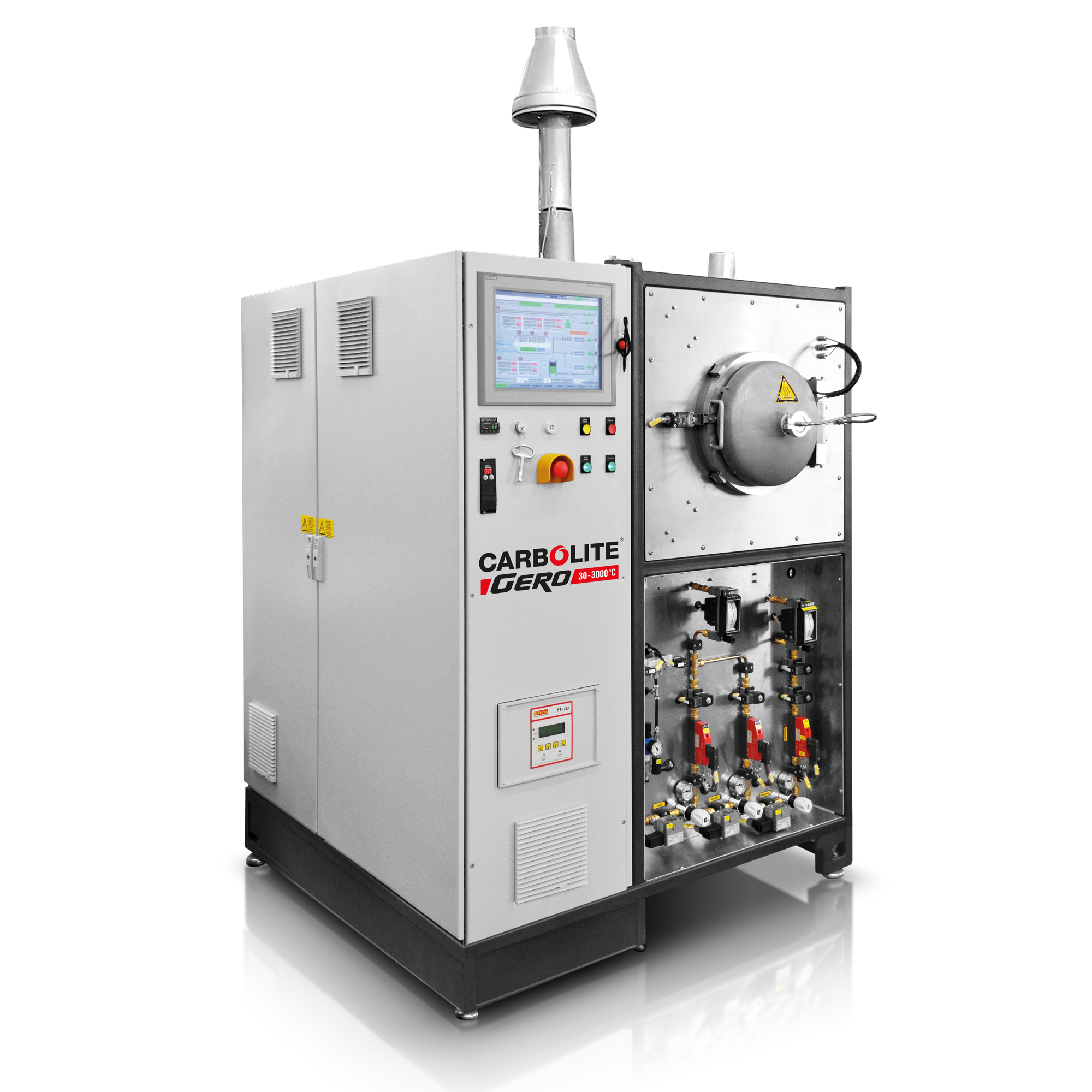
GLO 40/11-1G - Ofen zur Kohlecharakterisierung

IOT - Eisenerzschleuder
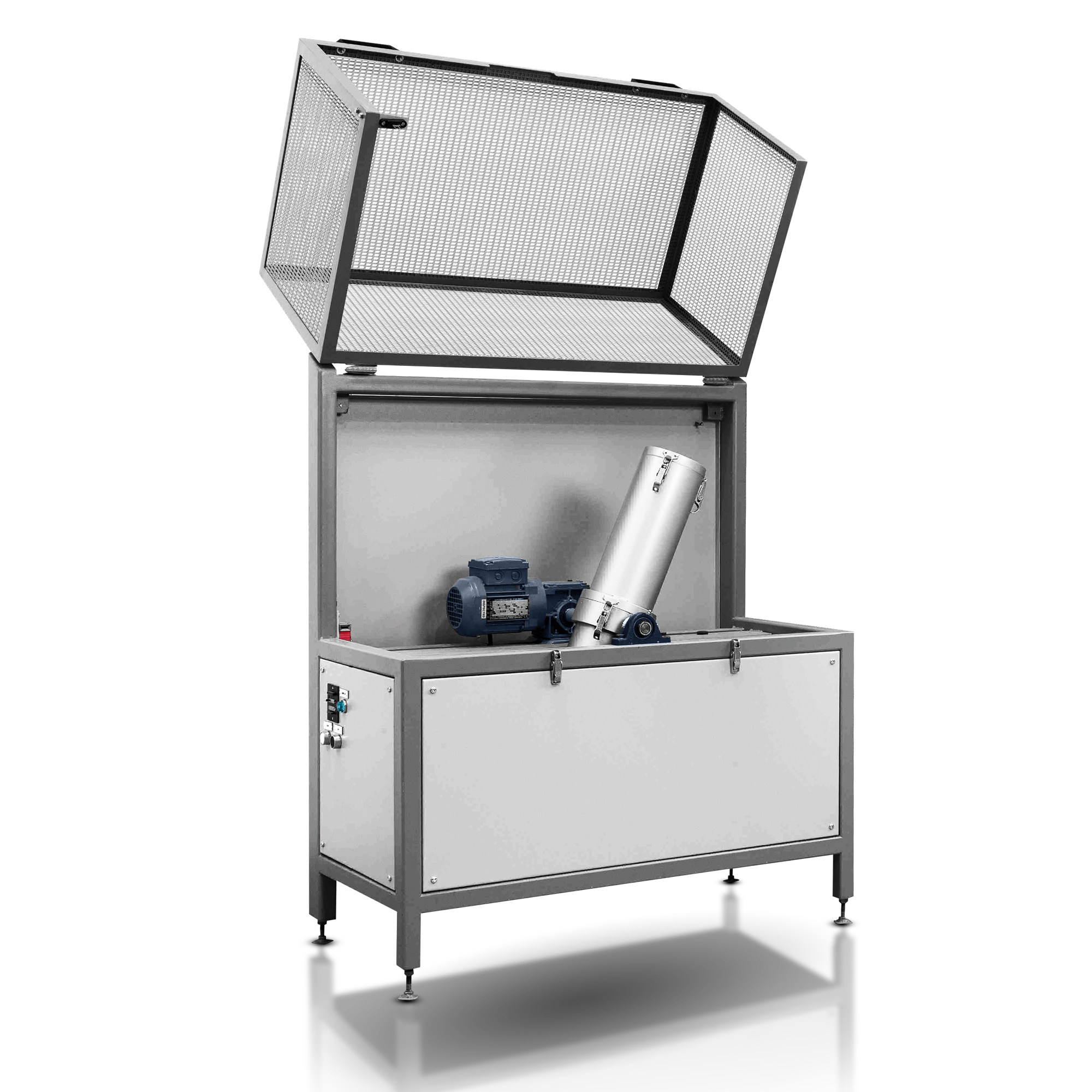
CSR - Coke Strength after Reduction I-Tester/Tumbler
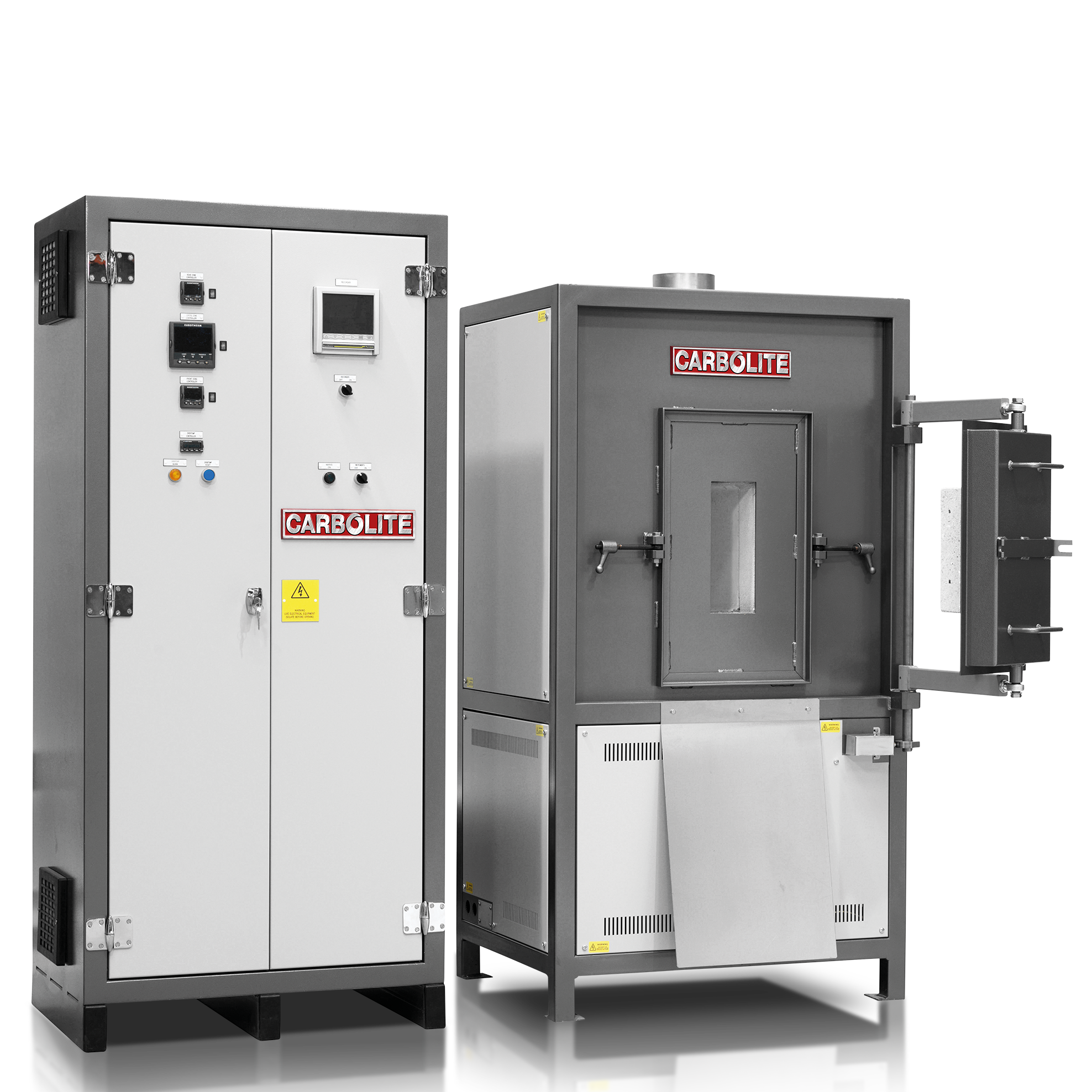
CTO 7 – Kokstestofen mit fester Wand
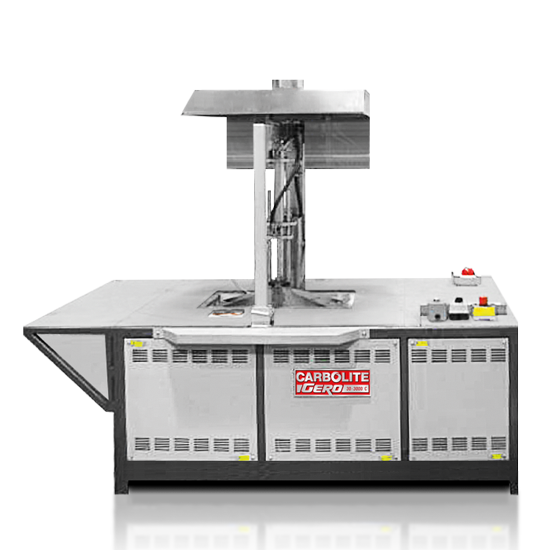
SHO -Ofen

IOR - Iron Ore Reducibility Furnace
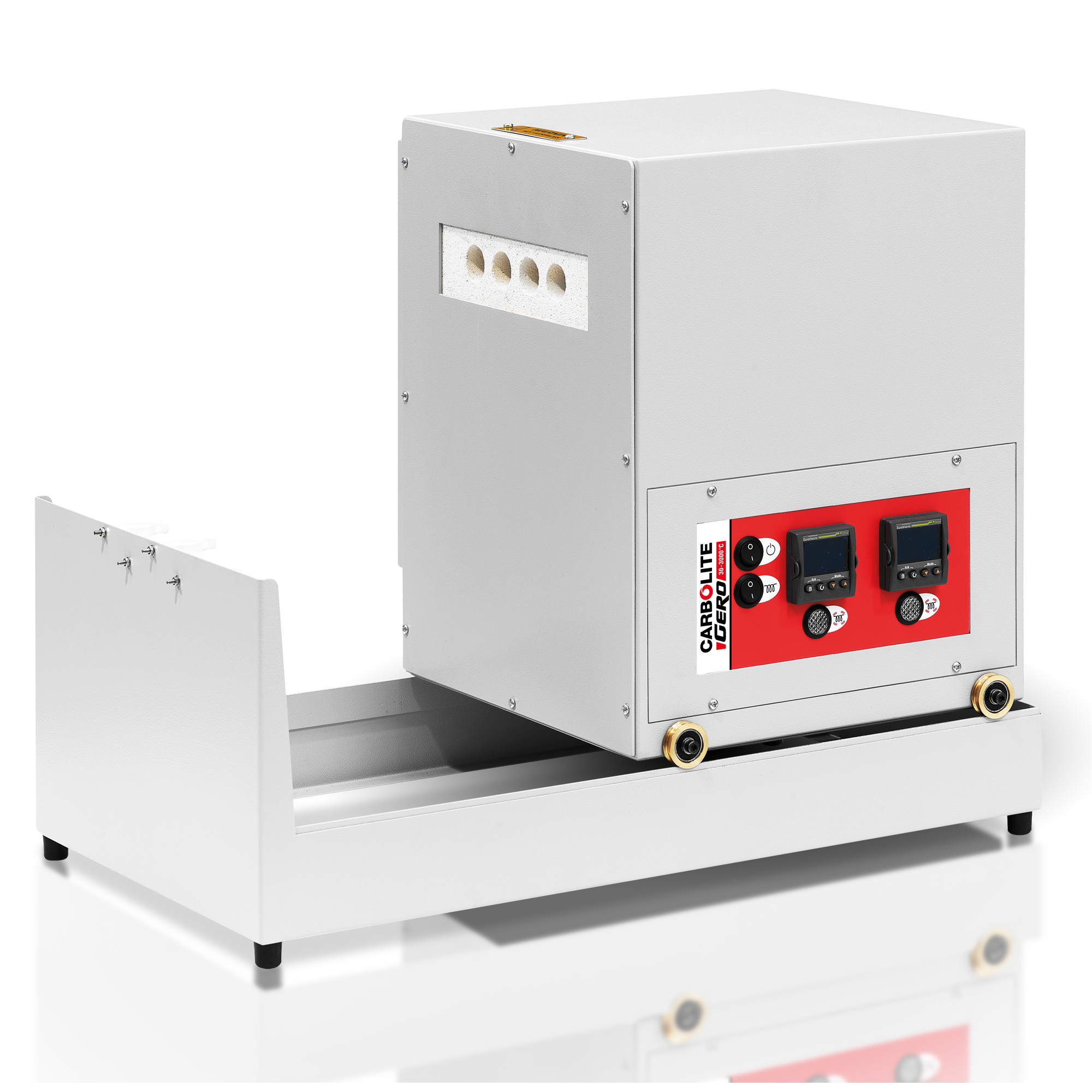
GK - Gray King Coke Test Furnace
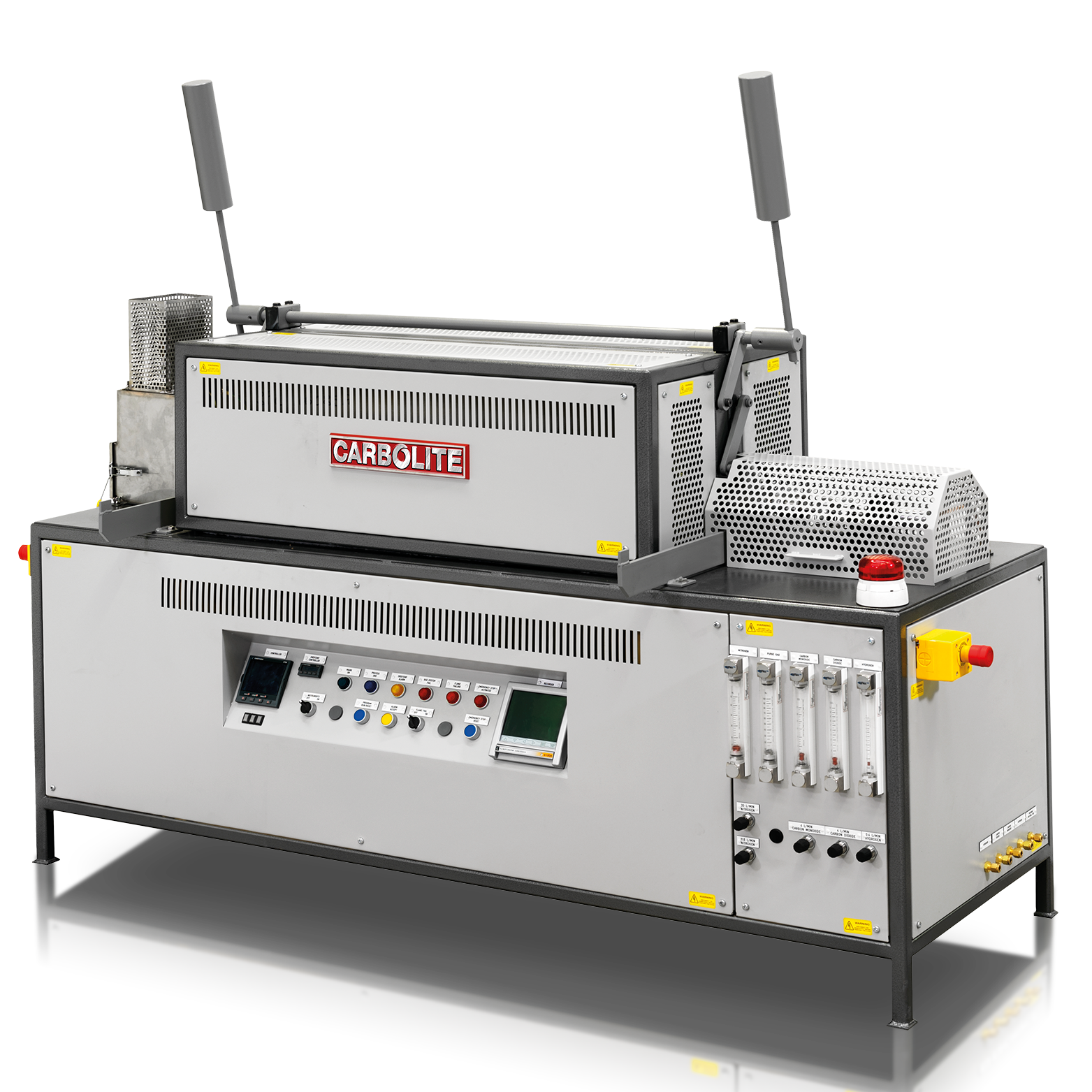
LTD - Niedertemperatur-Reduktions-Zersetungsofen von Eisenerzen

CSI-CSR
Kohle & Koks Pilotanlage Prüfgeräte Downloads
Produktdatenblatt Pilot plant equipment
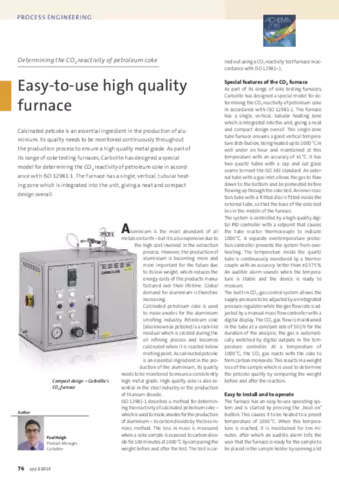
Determining the CO2 reactivity of petroleum coke
Calcinated petcoke is an essential ingredient in the production of aluminium. Its quality needs to be monitored continuously throughout the production process to ensure a high quality metal grade. As part of its range of coke testing furnaces, Carbolite has designed a special model for determining the CO2 reactivity of petroleum coke in accordance with ISO 12981-1. The furnace has a single, vertical, tubular heating zone which is integrated into the unit, giving a neat and compact design overall.

How coke is created in a coal testing oven or pilot plant
Thanks to huge advances in metallurgy over the last three decades, 21st century steel production is transforming the globe and the built environment. Of course, a major part of the steel production process is the use of coke, which provides as much as 80% of the furnace's thermal requirements, the majority of the furnace's CO gas (which acts as a reducing reagent) and carbon for dissolution in the molten metal. As with any other manufacturing process, the quality of the raw material has a massive impact on the quality of the end product. It is therefore vital to ensure the coke is comprehensively tested.