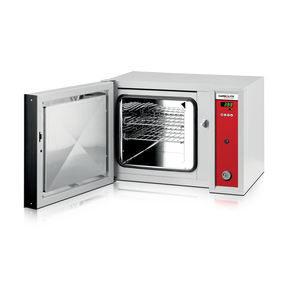
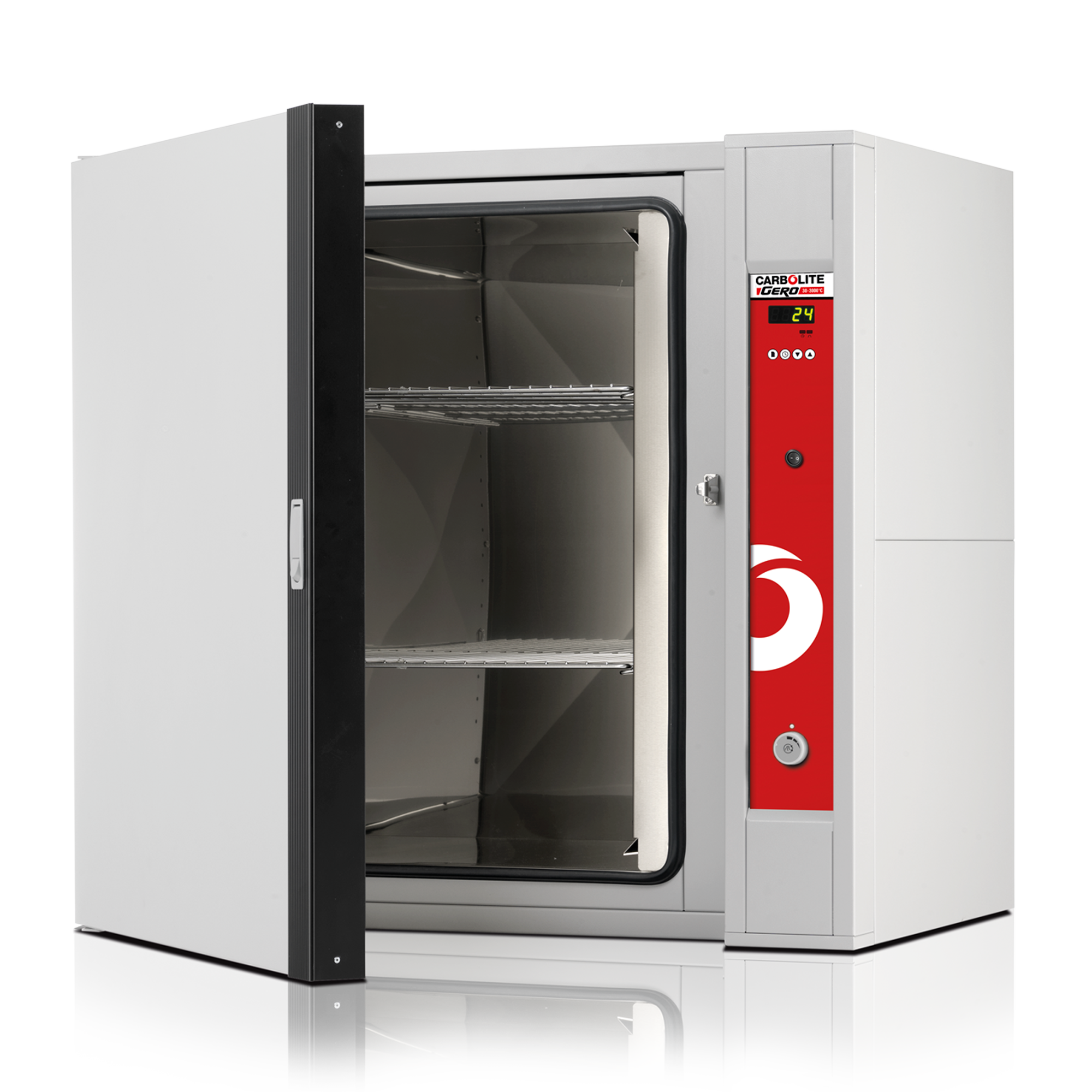
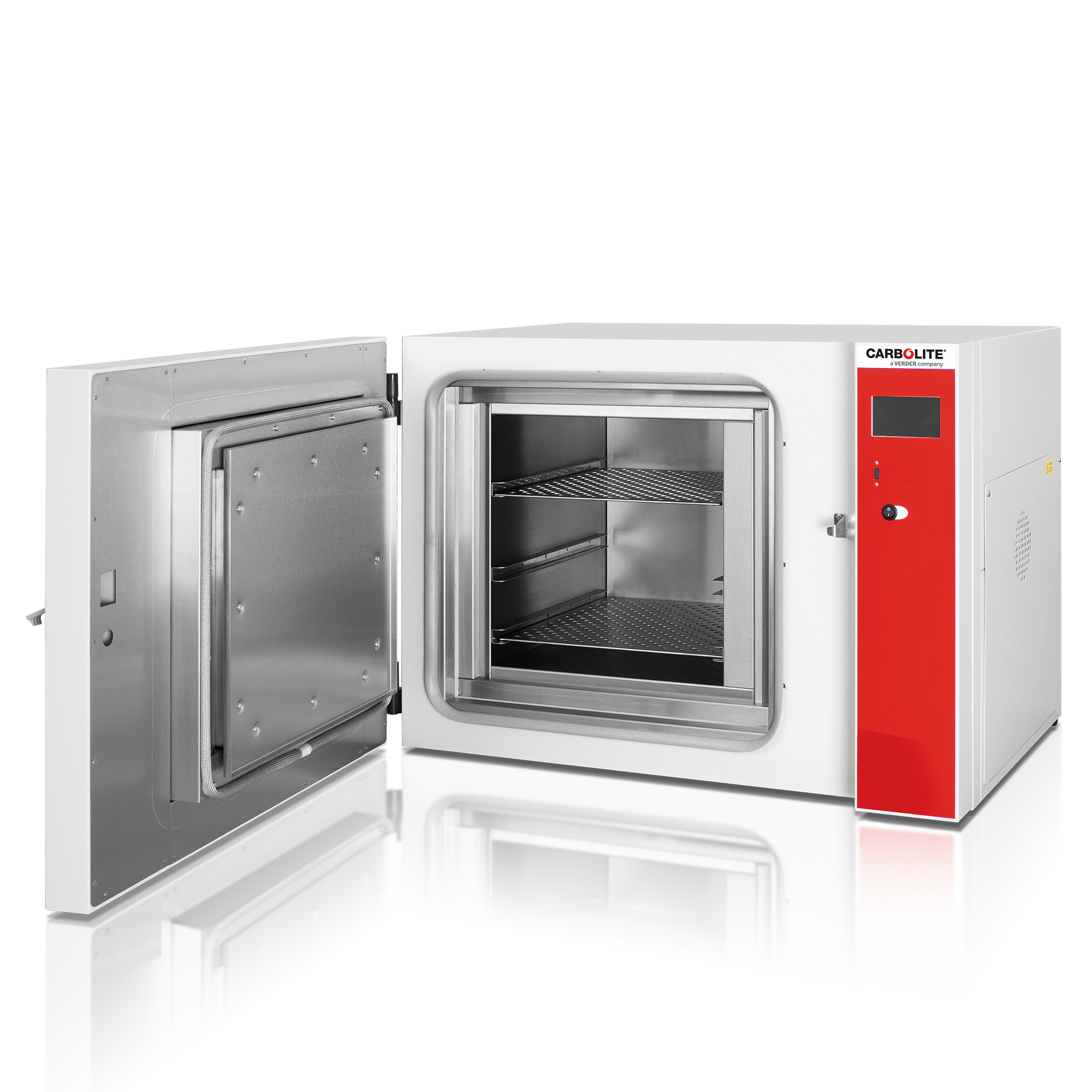
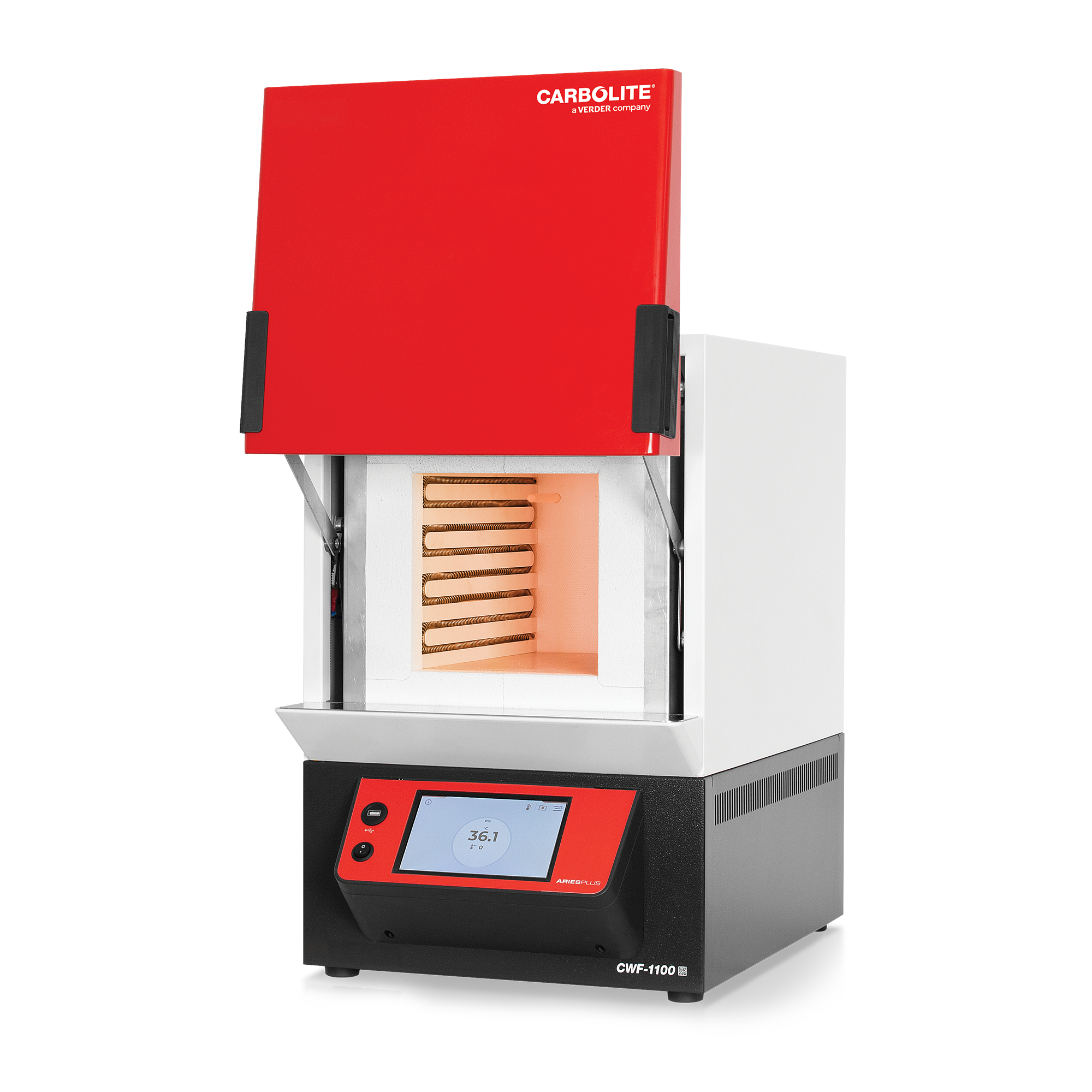
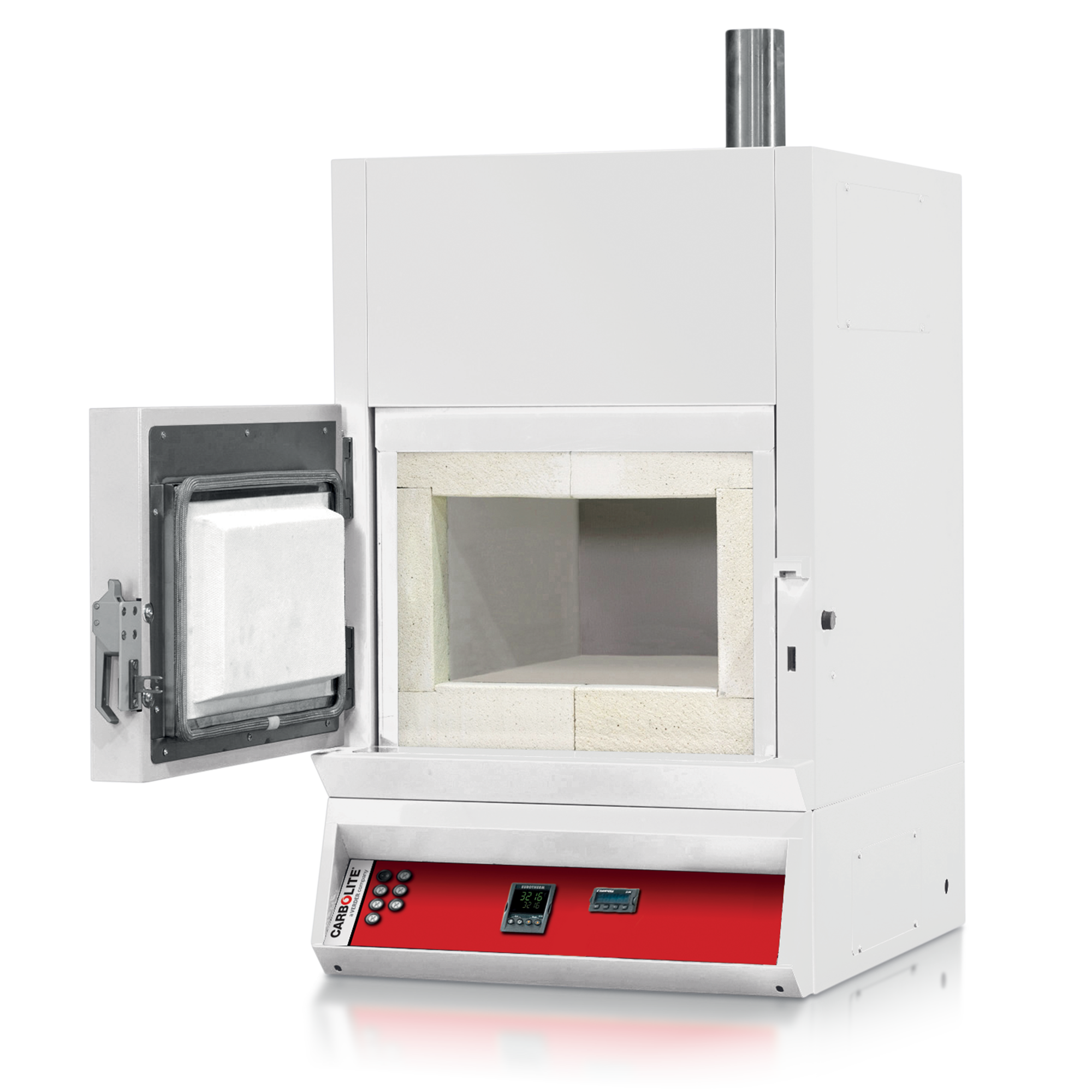
One of the most frequent applications for furnaces is the ashing of food and feedstuff samples – Carbolite’s AAF ashing furnaces remove all organic material from a sample through heating in air. The objective of the test is often to establish the total mineral content or is used as an intermediate step in sample preparation to allow subsequent characterisation by elemental analysis.
Often the final objective is to determine the presence or absence of constituents which remain in the residual ash. This could be to confirm the levels of minerals that are of specific nutritional benefit or to check for harmful inorganic contaminants, such as heavy metals.
Food & Beverages | Verder Scientific
Our dedication to excellence in quality control is reflected in the trust placed by manufacturers who rely on Verder Scientific to maintain the integrity of their products, whether it's fruit, dairy, coffee, meat, or processed foods.