






Carbonization furnaces are used to convert organic materials into substances enriched in carbon content. Carbolite excels in manufacturing furnaces and equipment for performing carbonization. Industries such as metallurgy and material science rely on processes such as carbonization to produce high quality carbon materials. Properties of such materials are sought after due to their wide range of applications.
Tube furnaces for carbonization processes
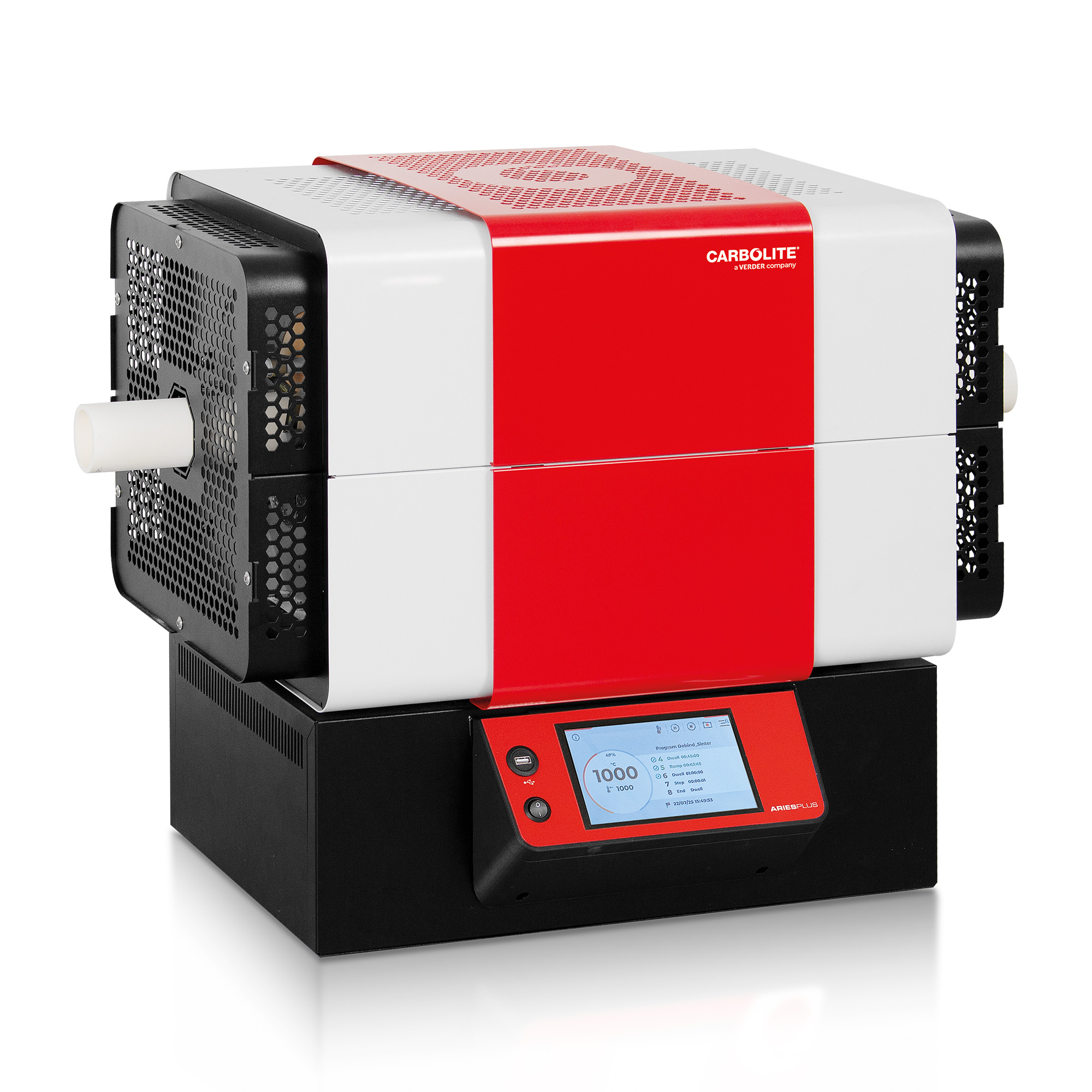
Carbolite's tube furnace selection can cater to the heat treatment of smaller samples for applications requiring horizontal or vertical orientation. These models are perfectly suited for R&D or laboratory heat treatment processes with a temperature range of 1100 °C up to 1800 °C. The sophisticated design includes ceramic fibre insulation material that ensures low energy consumption and allows fast heating rates.
Carbolite offers a range of tubes with a selection of different materials, lengths and diameters available to suit your application needs.
- Temperatura maximă: 1100 - 1600°C
- Orientare: orizontală / verticală
Graphite furnaces for carbonization processes
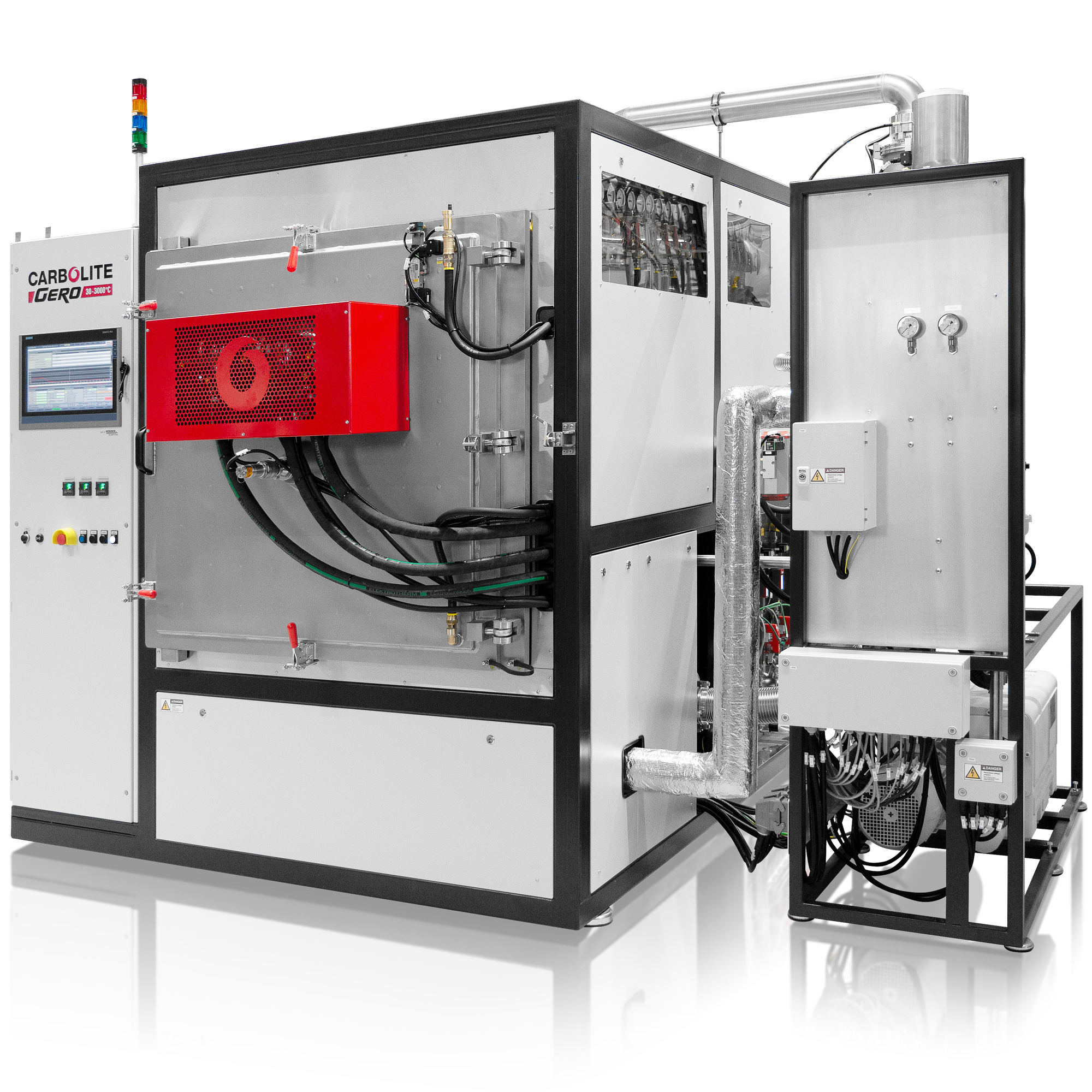
Carbolite’s graphite furnaces accommodate temperatures up to 2200 °C and even 3000 °C. This option suits laboratory and industrial applications that operate under vacuum atmosphere, inert and reactive gas. Graphite furnaces allow the production of carbon systems during carbonization. These furnaces offer graphite-based insulation material, heating element and retort material. This system can achieve extremely high temperatures, enabling researchers to endeavour new heat treatment opportunities.
- Temperatura maximă: 2200 °C
- Insulation material: Graphite
- Volume: 8 to 600 litres
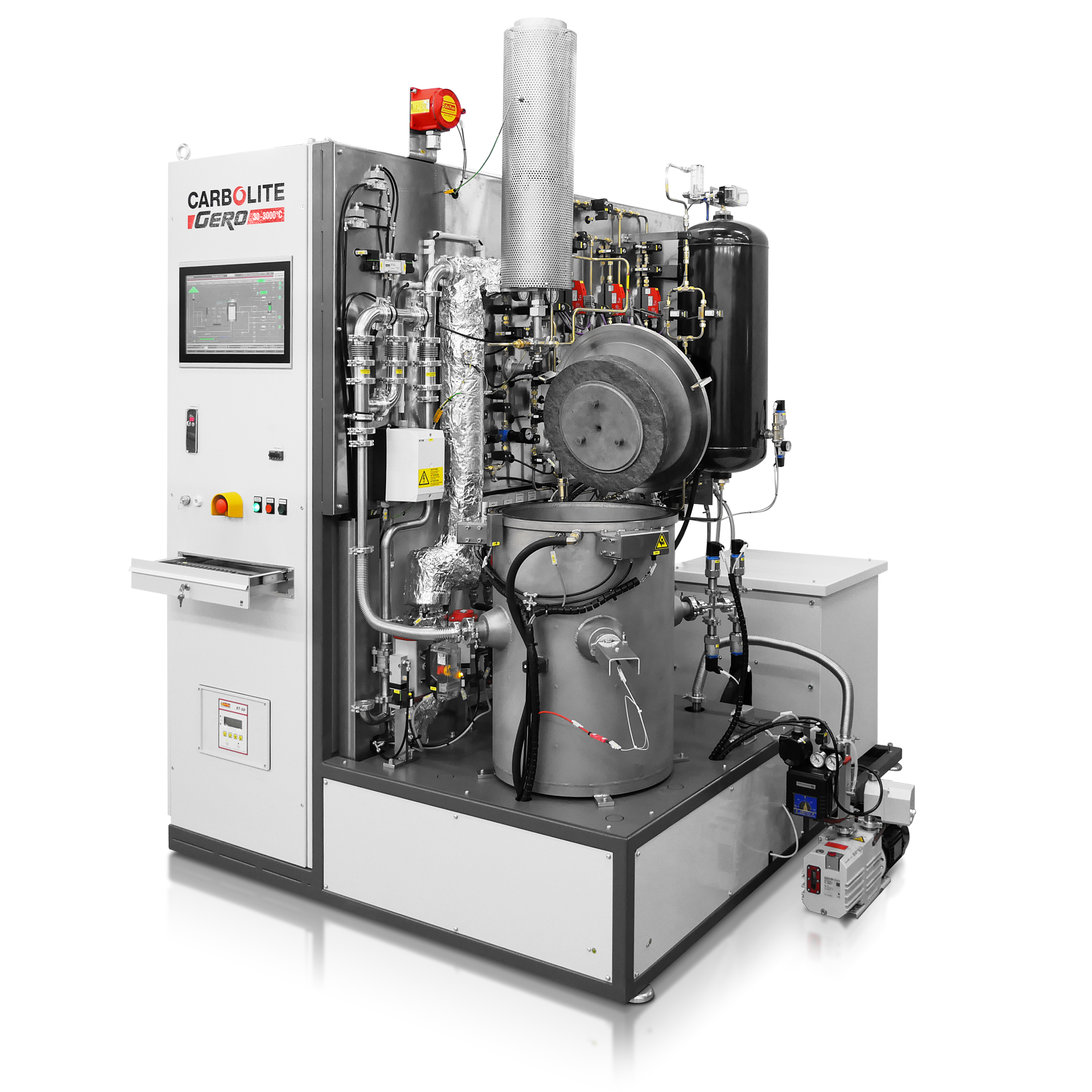
- Temperatura maximă: 2200 - 3000 °C
- Insulation material: Graphite
- Volume: 1.5 to 10 litres
Safety options for carbonization furnaces
Carbolite’s graphite furnaces accommodate temperatures up to 2200 °C and even 3000 °C. This option suits laboratory and industrial applications that operate under vacuum atmosphere, inert and reactive gas. Graphite furnaces allow the production of carbon systems during carbonization. These furnaces offer graphite-based insulation material, heating element and retort material. This system can achieve extremely high temperatures, enabling researchers to endeavour new heat treatment opportunities.
Afterburner
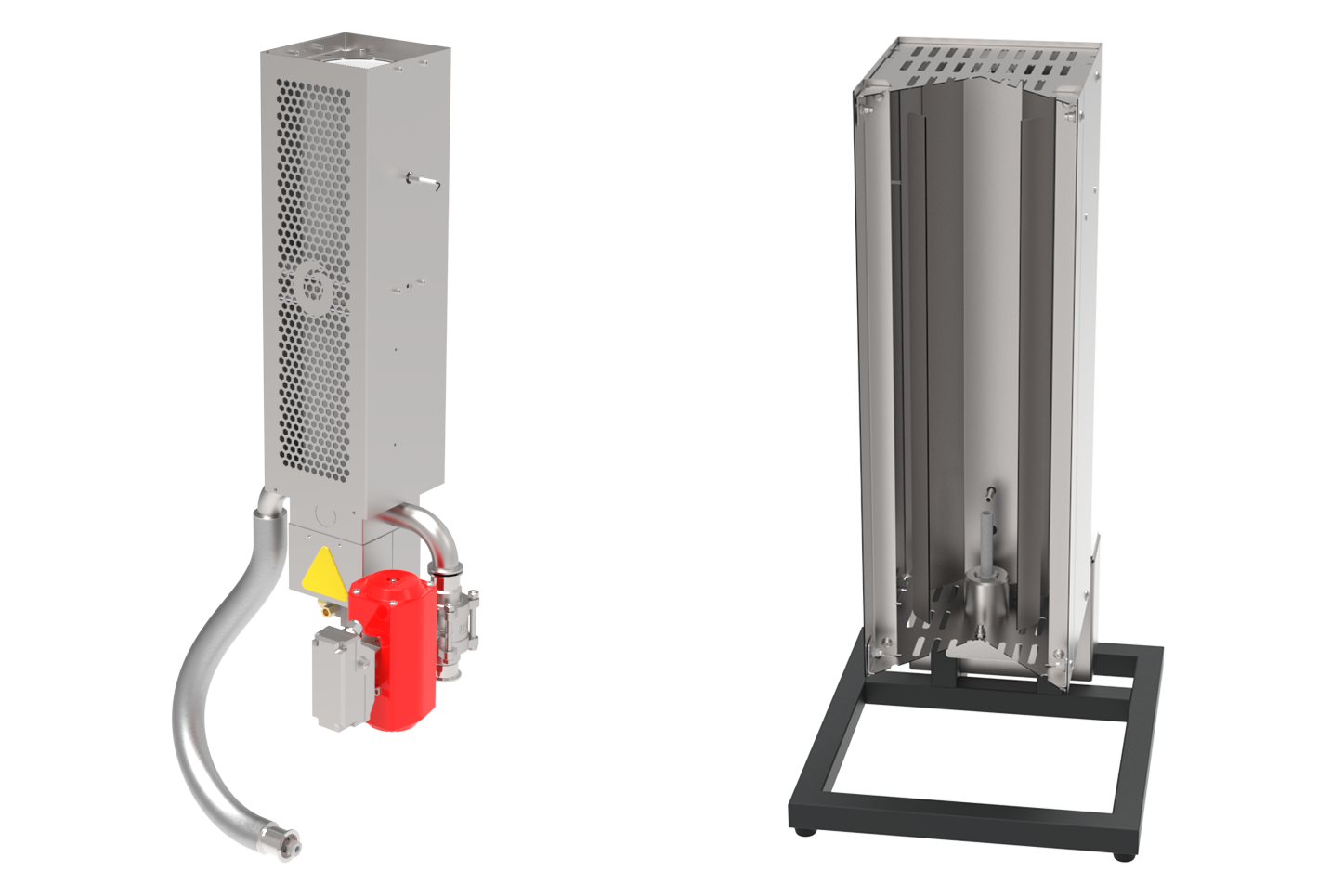
An afterburner (left) is used to oxidize volatiles from the removal process into NOx, CO2, and H2O. This ensures all volatiles are transformed into safer molecules and released into the environment. It burns all volatiles, including those with a boiling point below 20°C, e.g. hydrogen, ammonia, and ethane.
Igniter
An ignitor (right) is used to burn only highly flammable gasses such as hydrogen.
If required due to the process or recommended by the customer, afterburner and igniter can be combined on request. As experts in high-temperature technology we have multiple solutions in our portfolio to guide you to the right product and safety equipment. Please contact us for any enquiries on a suitable solution for your application needs.
Carbonization Furnaces Background information
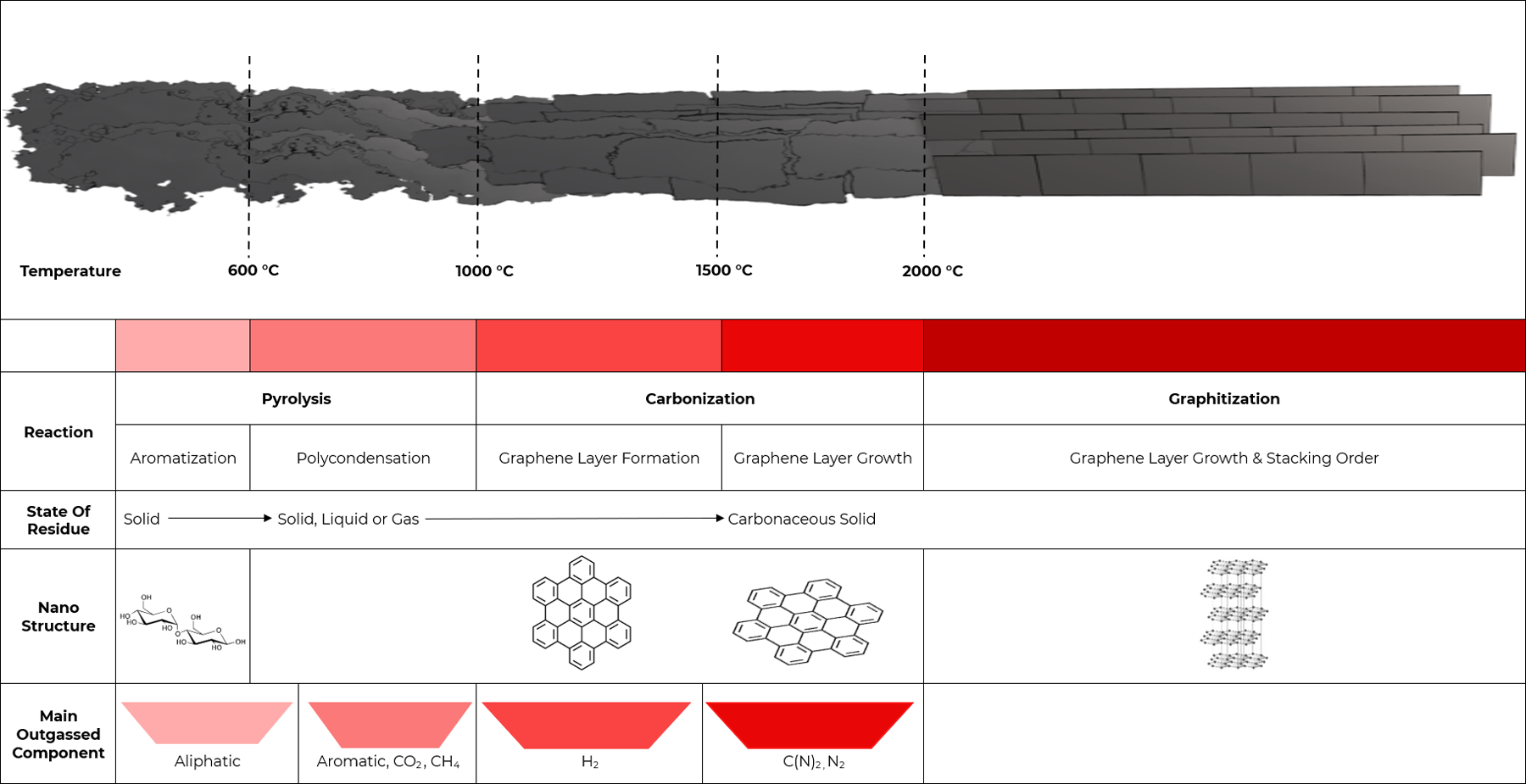
The process involves the thermal decomposition of materials in the absence of oxygen. Carbonization differs from pyrolysis as it occurs at a higher temperature range and is associated with carbon production. This method lacks a defined temperature, and instead, different carbon precursors have varying carbonization temperatures.
At elevated temperatures the organic precursor is thermally decomposed and releases non-carbon atoms in various forms, leaving behind a carbon rich matrix. The carbon material can potentially adopt multiple microstructural configurations depending on the type of precursor and heating parameters.
The organic precursors may transform from a simple molecule to a high molecular weight hydrocarbon. After the carbonization process, the sample’s microstructure is ordered in a preferred orientation. However, the carbon layers are small and stacked randomly.
Disclaimer: Terms ‘Carbonization’ and ‘Pyrolysis’ are at times used interchangeably. It is important to know the difference.
The difference between pyrolysis, carbonization and graphitization
Carbonization, graphitization, and pyrolysis are all processes that involve the thermal decomposition of materials, but they differ in their objectives and conditions.
Application example: Carbon fibre composites for motorsports
Pure carbon upholds high thermal stability and hence is extensively used for high temperature applications. Because of microstructural changes during the heat treatment, properties of the material are changed remarkably.
Carbonization furnaces are used in the production of carbon-carbon composites (CCCs). This enhances the thermomechanical properties of the composites and allows them to serve under extreme environmental conditions. These CCCs are used in various fields due to their high stiffness, excellent thermal resistance and overall low density.
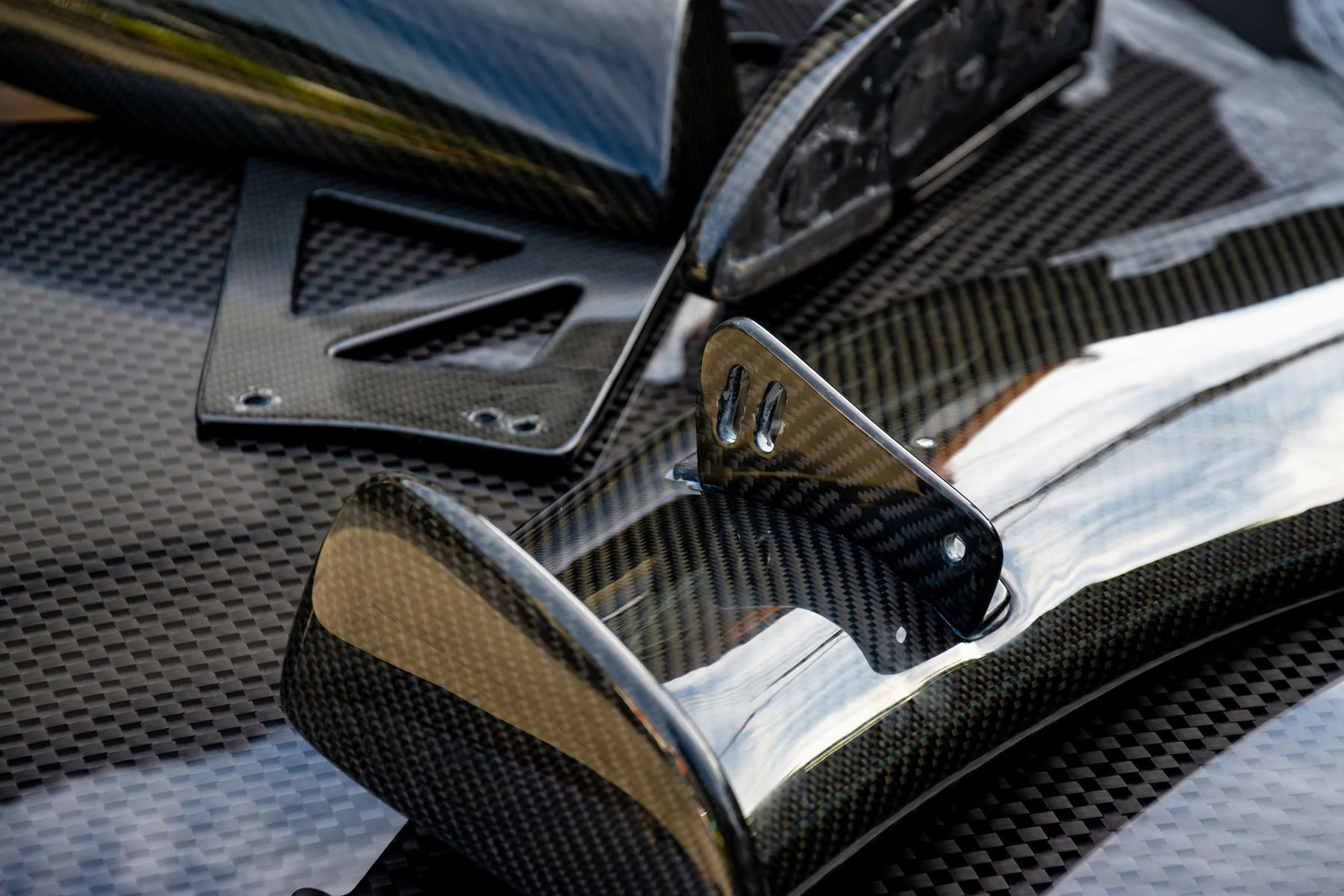
Carbon fibre composites are used in parts built for motorsports.
Advanced Carbonization for High-Performance Cycling Components
Carbolite carbonization furnaces can play a crucial role in the development and production of high-performance cycling components. Through precise thermal treatment, these furnaces enable the transformation of polymer-based precursors into lightweight, ultra-strong carbon materials — essential for:
- Carbon Fiber Bike Frames: Achieve optimal strength-to-weight ratios and stiffness for competitive cycling performance.
- Brake Pads & Discs: Enhance thermal resistance and durability in carbon-ceramic braking systems, ensuring consistent performance under extreme conditions.
- Tyre Reinforcements: Improve structural integrity and reduce rolling resistance in high-end racing tyres through carbon-based reinforcement materials.
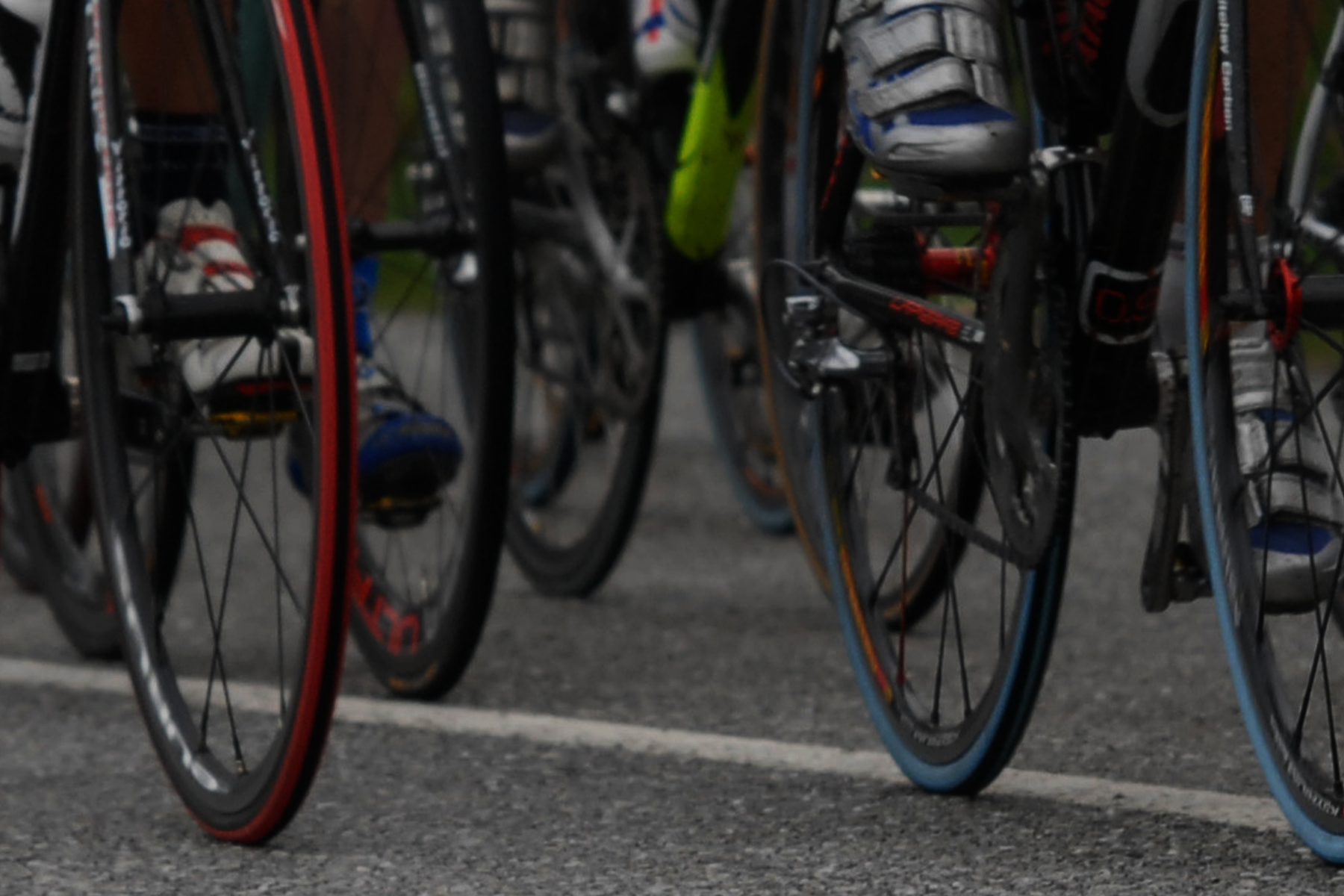
Cycling components are often made from carbon fibre composites.
Soluții de tratament termic pentru componente inovatoare ale bateriilor
În domeniul fabricării bateriilor, calitatea materialelor și precizia proceselor de producție joacă un rol esențial în determinarea eficienței și longevității produsului final. Materialele de înaltă calitate asigură că bateriile pot stoca și furniza energie în mod fiabil, în timp ce procesele de producție meticuloase garantează consecvența și siguranța. Călătoria către crearea unei baterii superioare implică mai mulți pași critici, fiecare necesitând cea mai mare atenție la detalii. De la selecția materiilor prime până la asamblarea componentelor, fiecare fază trebuie să respecte standarde stricte de calitate. Acest lucru nu numai că îmbunătățește performanța bateriilor, dar le prelungește și durata de viață, făcându-le mai rentabile și mai ecologice pe termen lung. Ce face o baterie bună? Puritatea și omogenitatea materialului, structura cristalină și un electrolit bun sunt doar câteva dintre aspectele pe care ar trebui să le luăm în considerare.
Contact us for a free consultation
Carbolite products and services are available via a global network of daughter companies and fully trained distributors. Our staff will be happy to assist with any inquiry you might have.
Contact us for a free consultation and talk to a product specialist to find the most suitable solution for your application needs!

Carbonization Furnaces - FAQ
What is carbonization?
Carbonization is a thermal decomposition process that converts organic materials into carbon rich substances. The process takes place under an oxygen-free atmosphere to prevent samples from burning. Instead, at high temperatures volatiles escape the matrix and carbon atoms rearrange themselves to form small carbon layers within the structure.
What is the difference between carbonization and pyrolysis?
While both carbonization and pyrolysis are processes that involve the thermal decomposition of materials in the absence of oxygen, they are different in their objectives. Carbonization typically occurs at a higher temperature than pyrolysis and is intended for increasing the carbon content in the material. Pyrolysis occurs for both organic and/or carbon-free inorganic compounds and produces volatiles, liquids, gases and char.
What are the industrial applications of carbonization?
Carbonization is used by several industries such as in metallurgical, chemical, agriculture, energy, environmental, construction and in material science. Each industrial application makes use of properties that arise due to the interaction of carbon-carbon bonds, making carbon-rich materials versatile in their use in producing a range of products.
What solutions do we offer for carbonization?
Carbolite offers two streams of furnaces that can be used for carbonization. Tube furnaces are ideal for laboratory heat treatments with a temperature range of 1100 °C up to 1800 °C. Graphite furnaces, in comparison, suit laboratory and industrial applications for extreme heat treatment requirements with operating temperatures that go as high as 2200 °C and 3000 °C.