






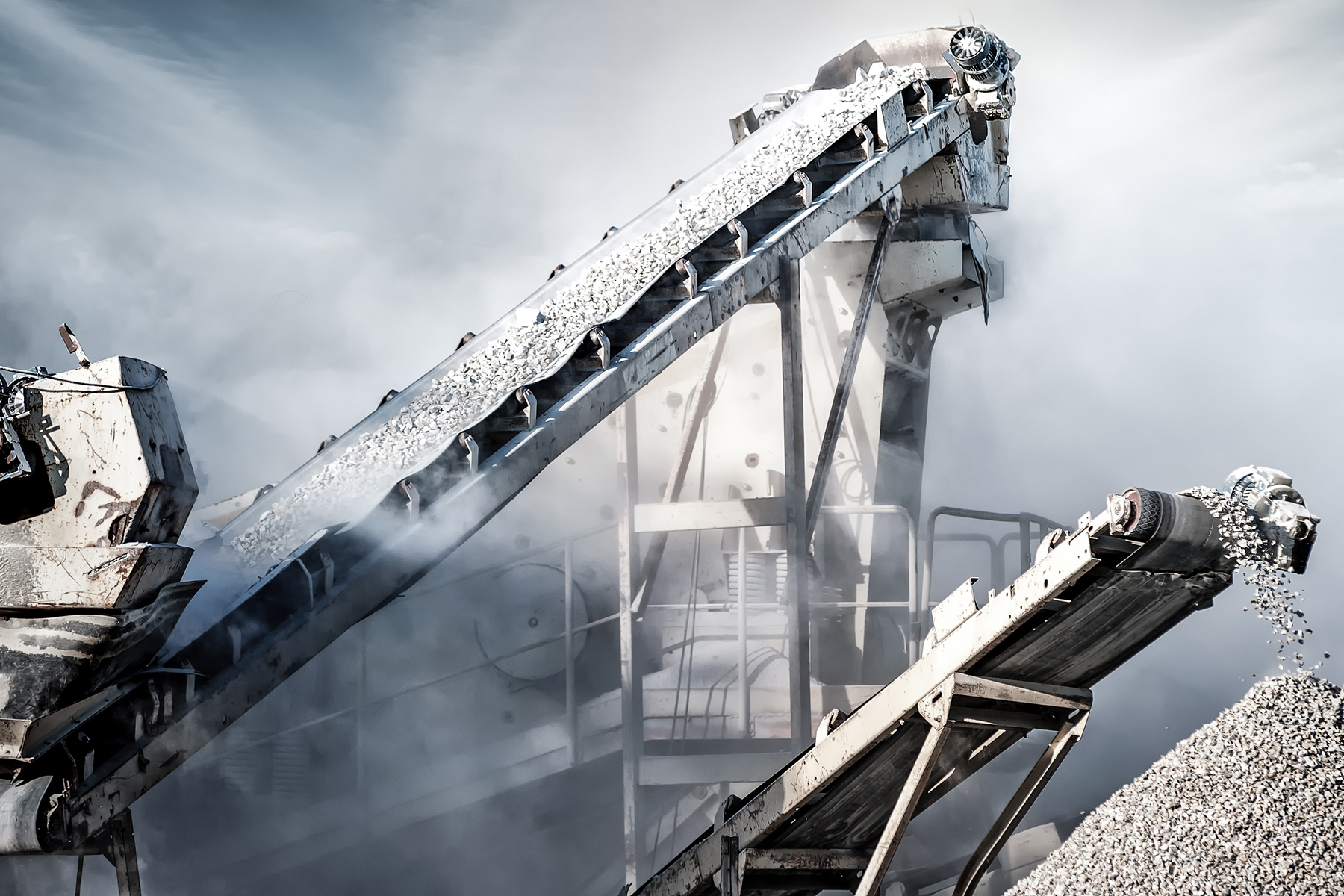
Calcination is a chemical process that involves heating a substance to high temperatures in the supply of air or oxygen. This thermal treatment causes the decomposition or transformation of the material, often leading to the removal of volatile components, water, or other impurities. Calcination is commonly used in various industries, such as metallurgy, ceramics, cement production, and the chemical industry.
Introduction to Calcination
During calcination, volatile substances, such as water, carbon dioxide, or certain gases, are released, leaving behind a salt, the non-volatile components of the material.
Cement Testing for Compliance
The compliance of cement with standards such as EN 197 / ASTM C 150 is a quality requirement. Quality assurance of the raw materials used in calcination and also during the clinker production is necessary. Carbolite Gero offers different furnaces that help to guarantee quality requirements are met during the production cycle.
Mining Industry News Exclusive E-Book | VERDER
The Calcination Process
Some substances undergo chemical changes during calcination, decomposing into simpler or more stable compounds. For example, certain metal carbonates decompose into metal oxides and carbon dioxide upon calcination. Calcination can change the physical and chemical properties of the material, leading to the formation of new crystal structures or phases.
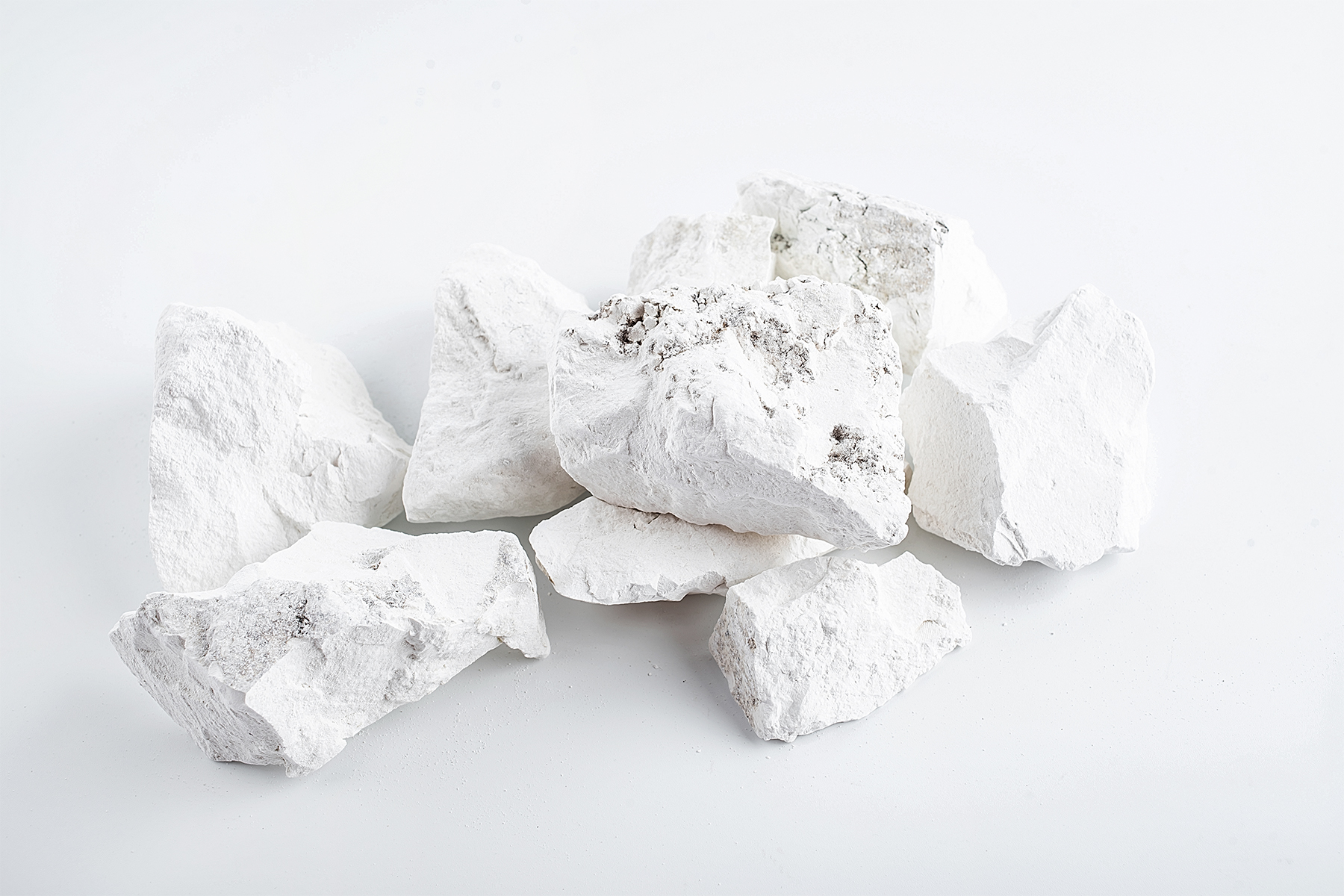
One of the most well-known examples of calcination is the conversion of limestone (calcium carbonate) into quicklime (calcium oxide) by heating it at high temperatures:
CaCO3 (limestone) → CaO (quicklime) + CO2 (carbon dioxide) > 900°C
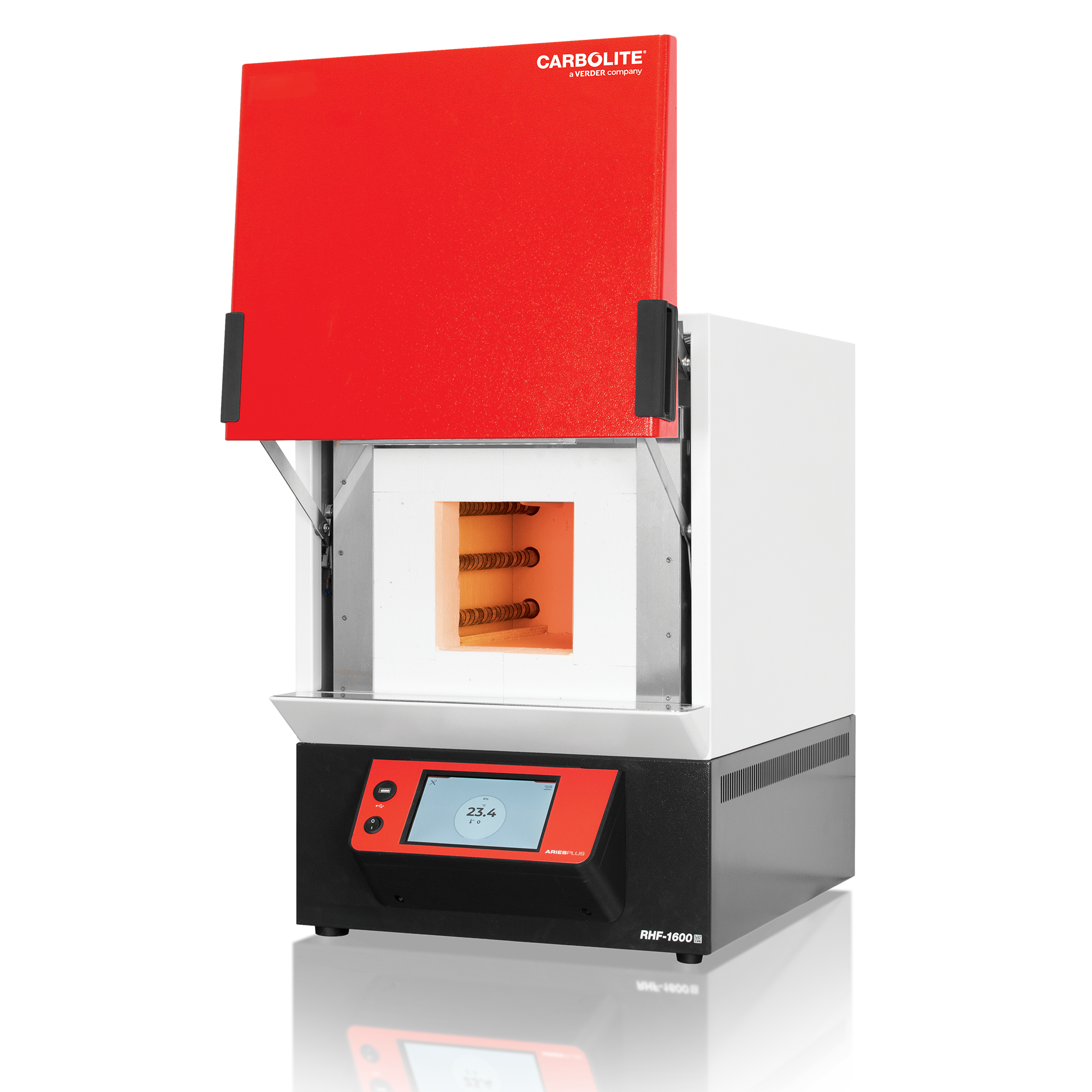
Calcination is an essential step in many industrial processes, contributing to the production of various materials, chemicals, and products at temperatures up to 1500°C.
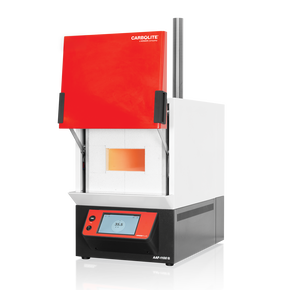
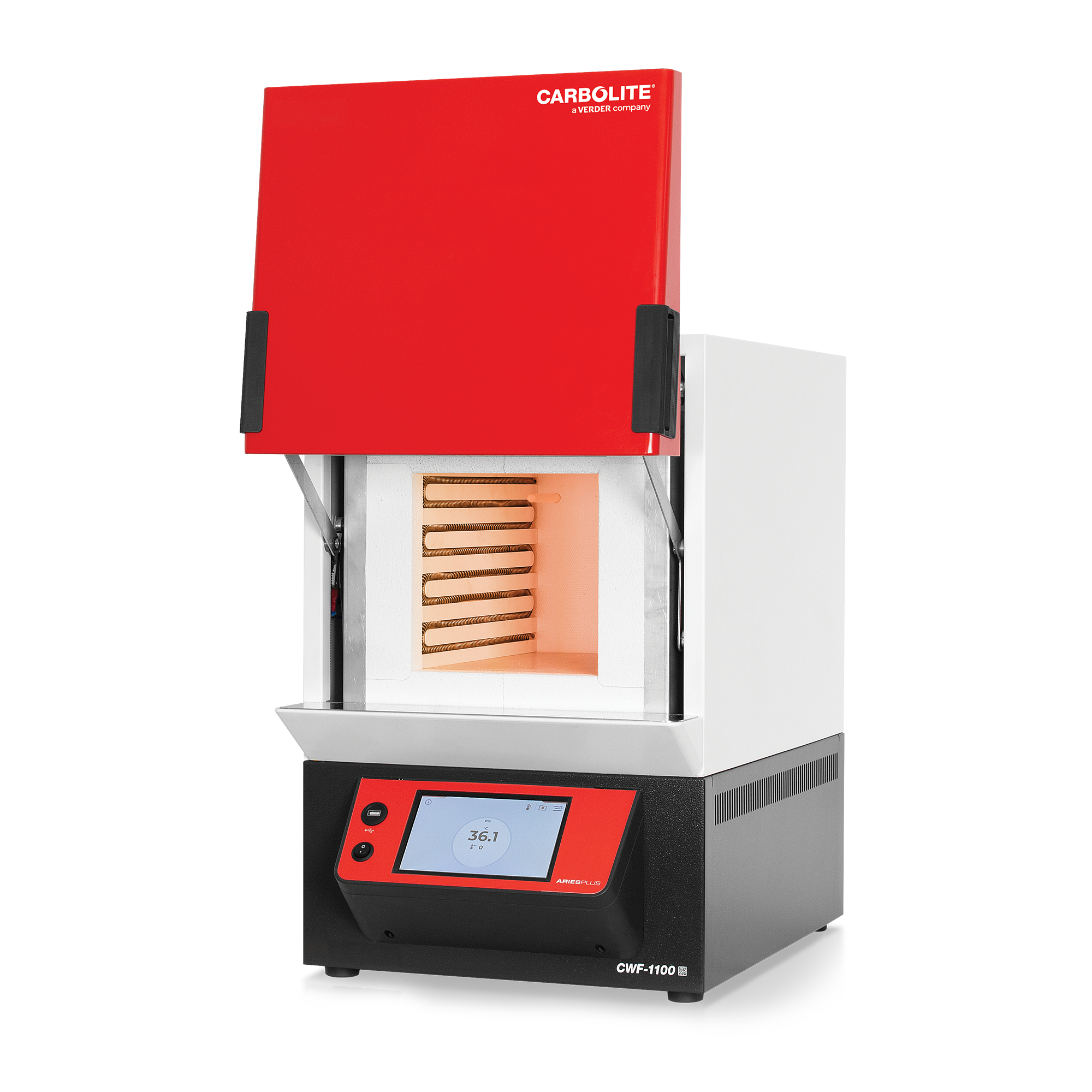
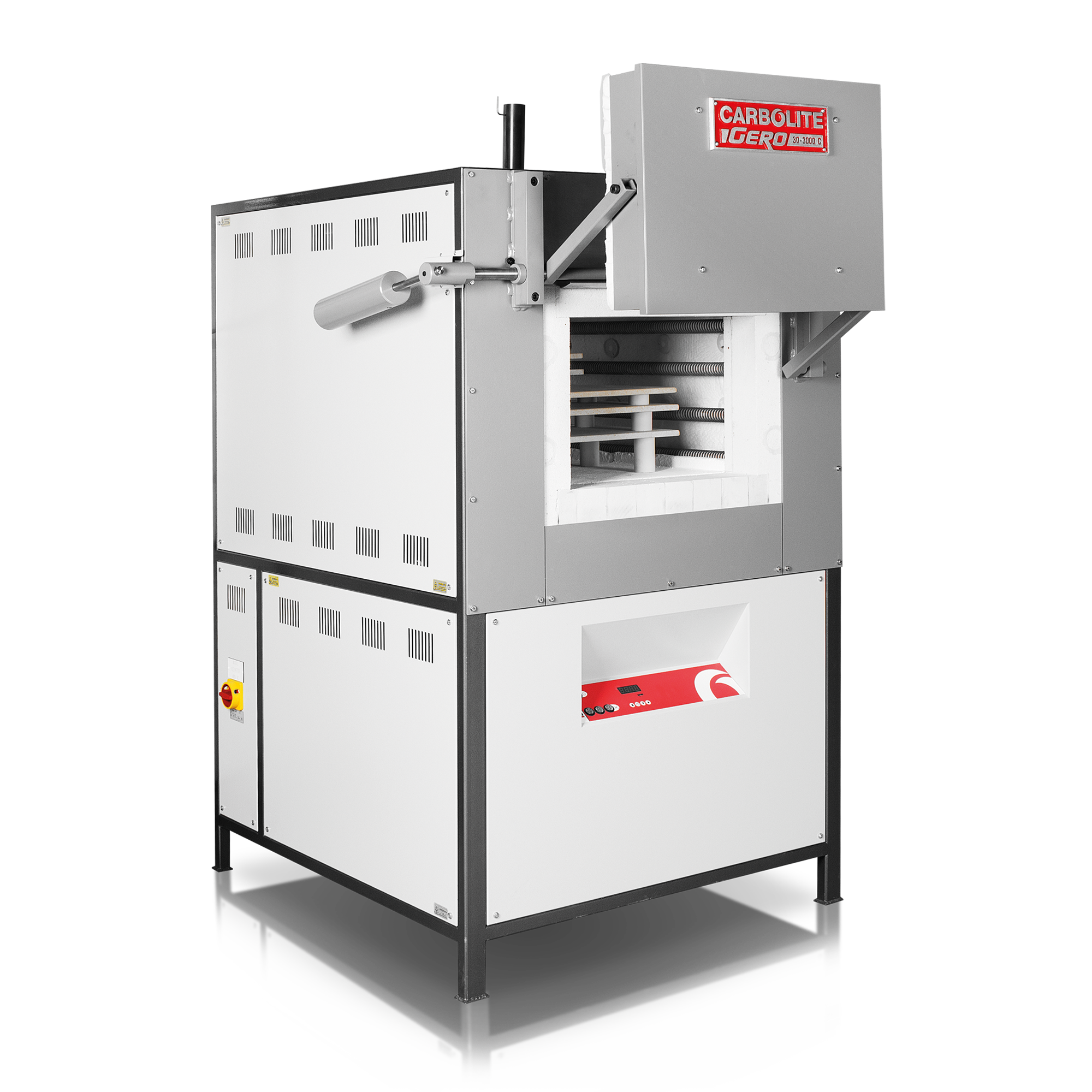
Calcination furnaces
- 最高温度(℃): 1100°C
- 炉内容積: 3L、7L
- ISO 1171:2010, ASTM D3174-04:2010, ASTM D4422に準拠しています。
- 最高温度(℃): 1100 °C
- 1分当たりの往復回転運動数:1-8回
- 各方向に314°回転
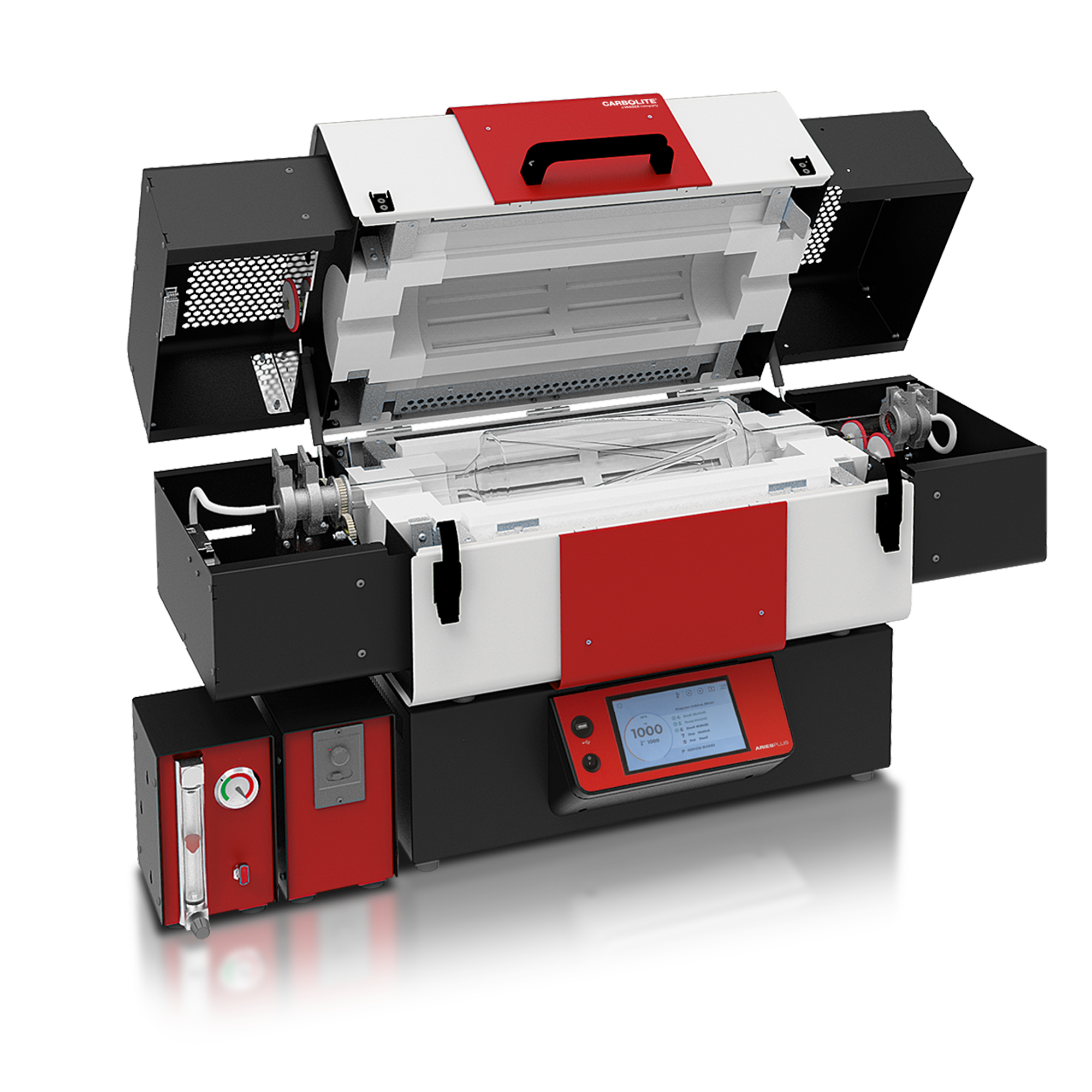
- 最高温度(℃): 1150 °C
- 作業管回転数1.5~10 rpm
- 1または3ゾーン温度制御
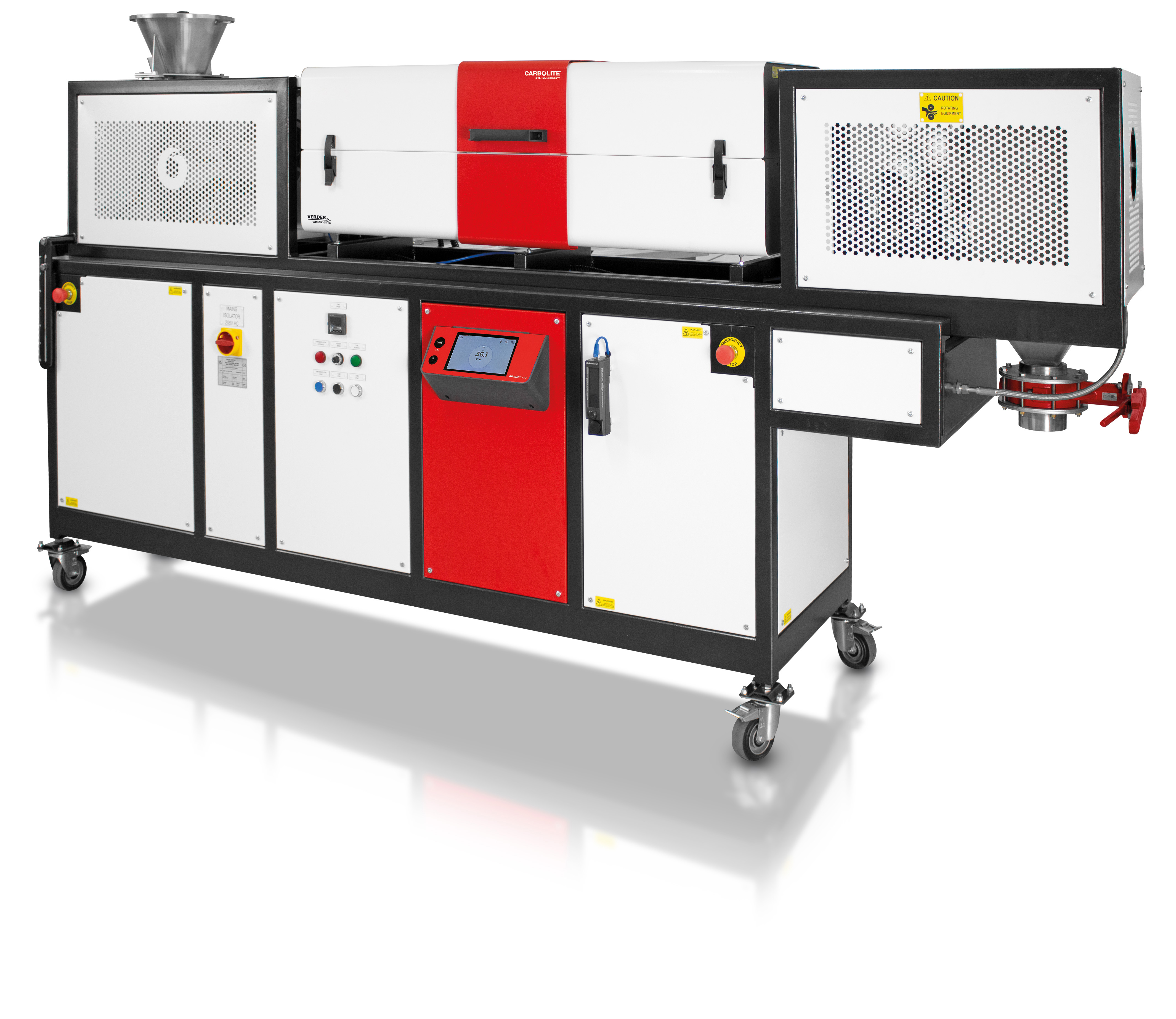
無料相談のお問い合わせ
Carbolite products and services are available via a global network of daughter companies and fully trained distributors. Our staff will be happy to assist with any inquiry you might have.
Contact us for a free consultation and talk to a product specialist to find the most suitable solution for your application needs!