






Drying ovens are designed to heat sample materials and withdraw moisture from them. Carbolite offers ovens for industrial and laboratory drying applications.
Ovens for application-specific drying processes, such as a coal drying oven that prevents additional thermal decomposition, and a stoving and curing oven that adheres to safety standards for drying materials with explosive vapours, are available.
Additionally, ovens with custom solutions, including viewing windows, multiple temperature zones, and atmosphere control packages, are also available.
Drying process information

- Natuurlijke convectie
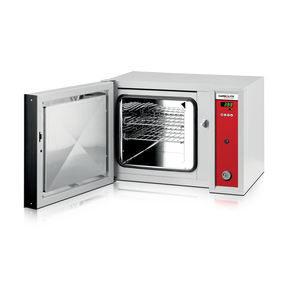
- Maximum temperatuur: 300 °C
- Minimum temperatuur: Kamertemperatuur +30°C
- Volume: 57 naar 215 liter
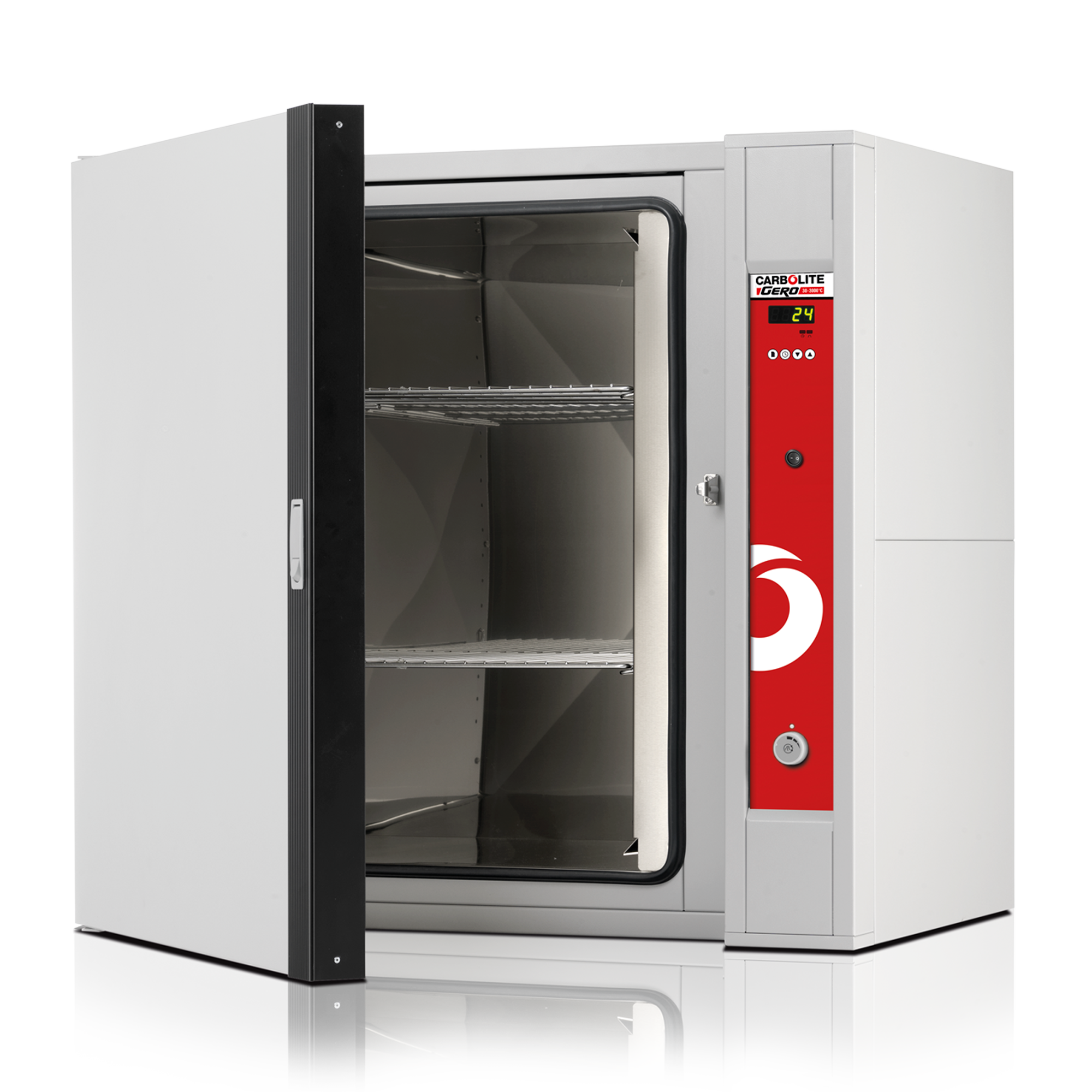
- Maximum temperatuur: 300 °C
- Minimum temperatuur: Kamertemperatuur +30°C
- Volume: 66 naar 230 liter
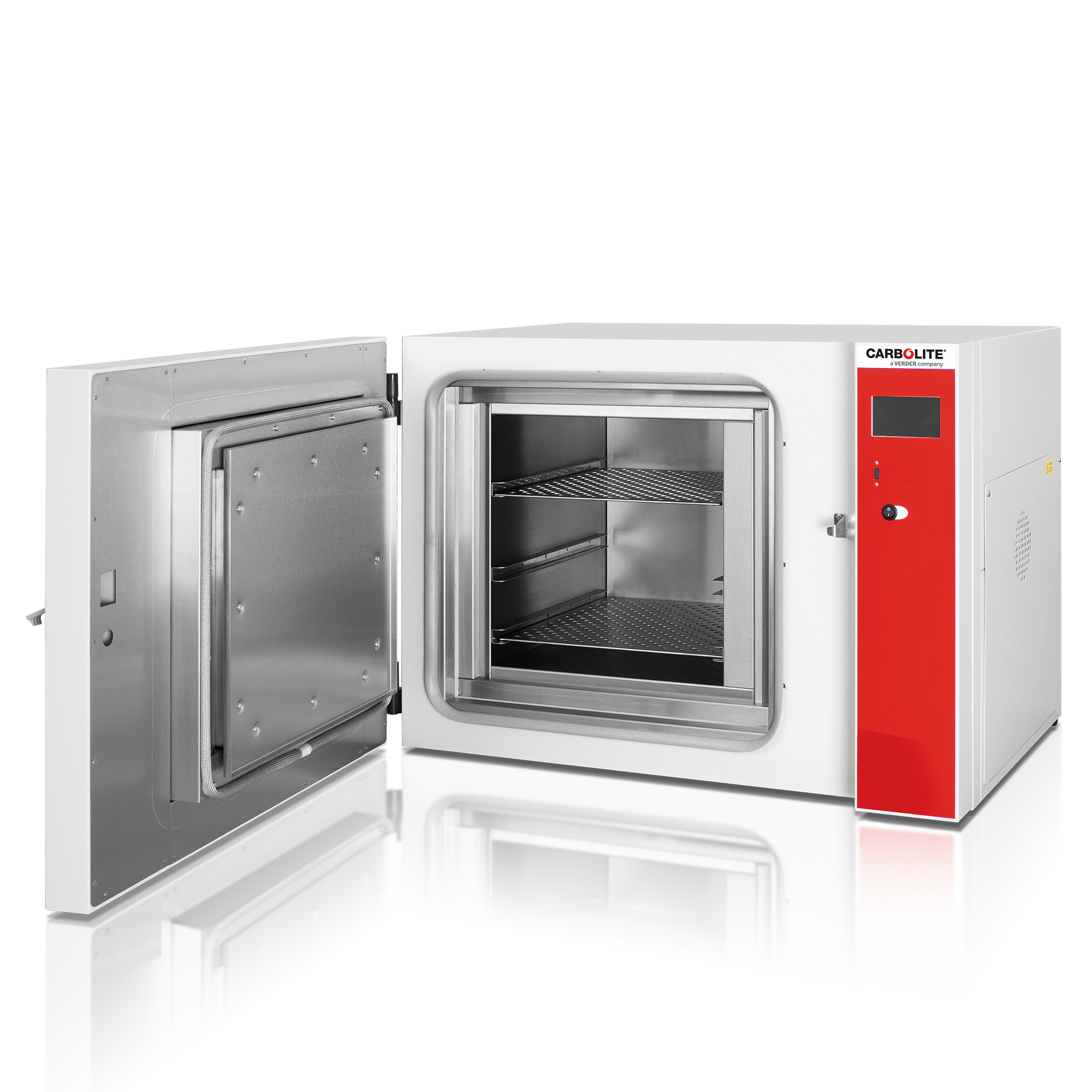
- Maximum temperatuur: 400 - 600°C
- Minimum temperatuur: NO DATA FOUND (copySource=Ambient +60°C)
- Volume: 30 tot 120 liter
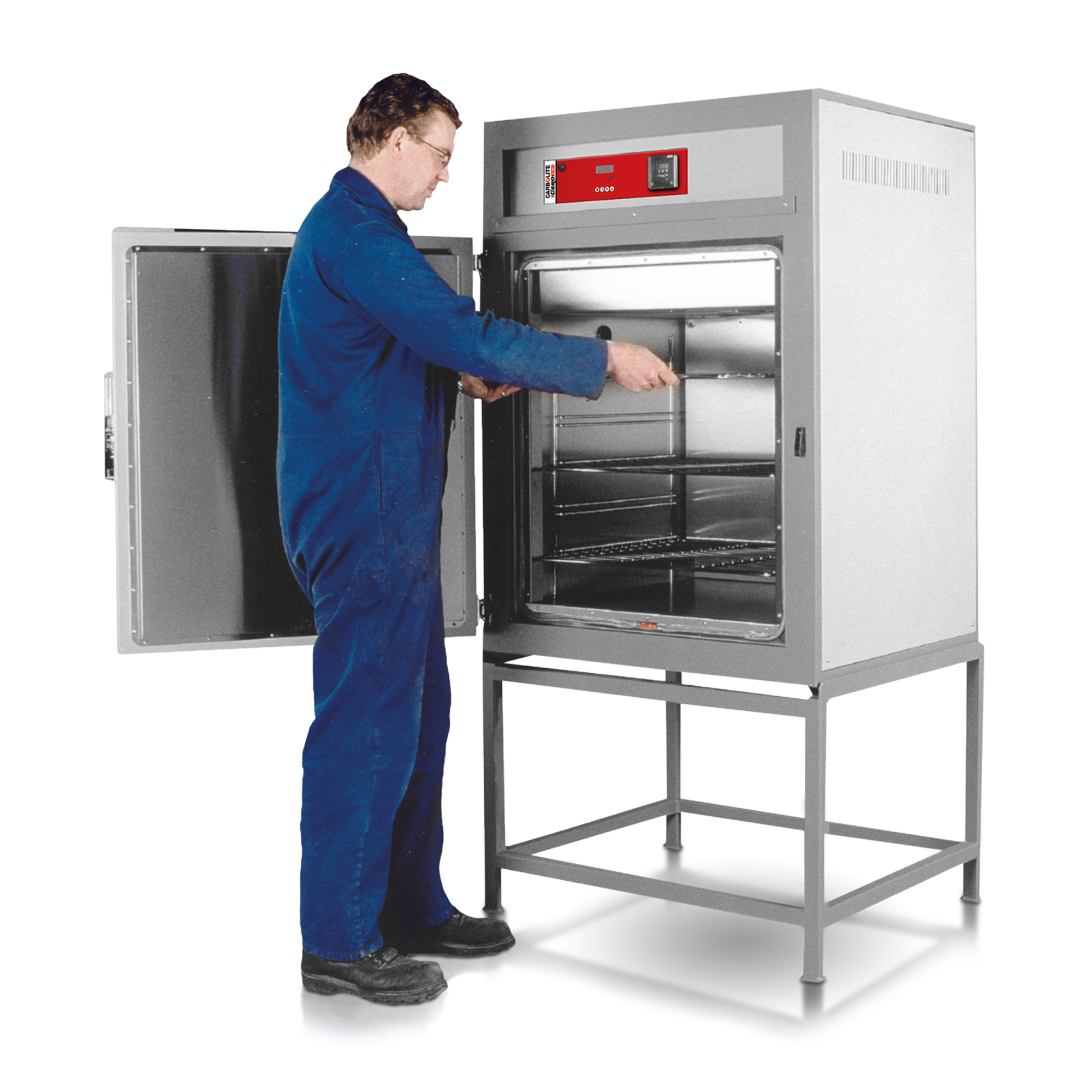
- Maximum temperatuur: 300 °C
- Volume: 220 tot 450 liter
- Maximum temperatuur: 425 - 600 °C
- Volume: 500 tot 1750 liter
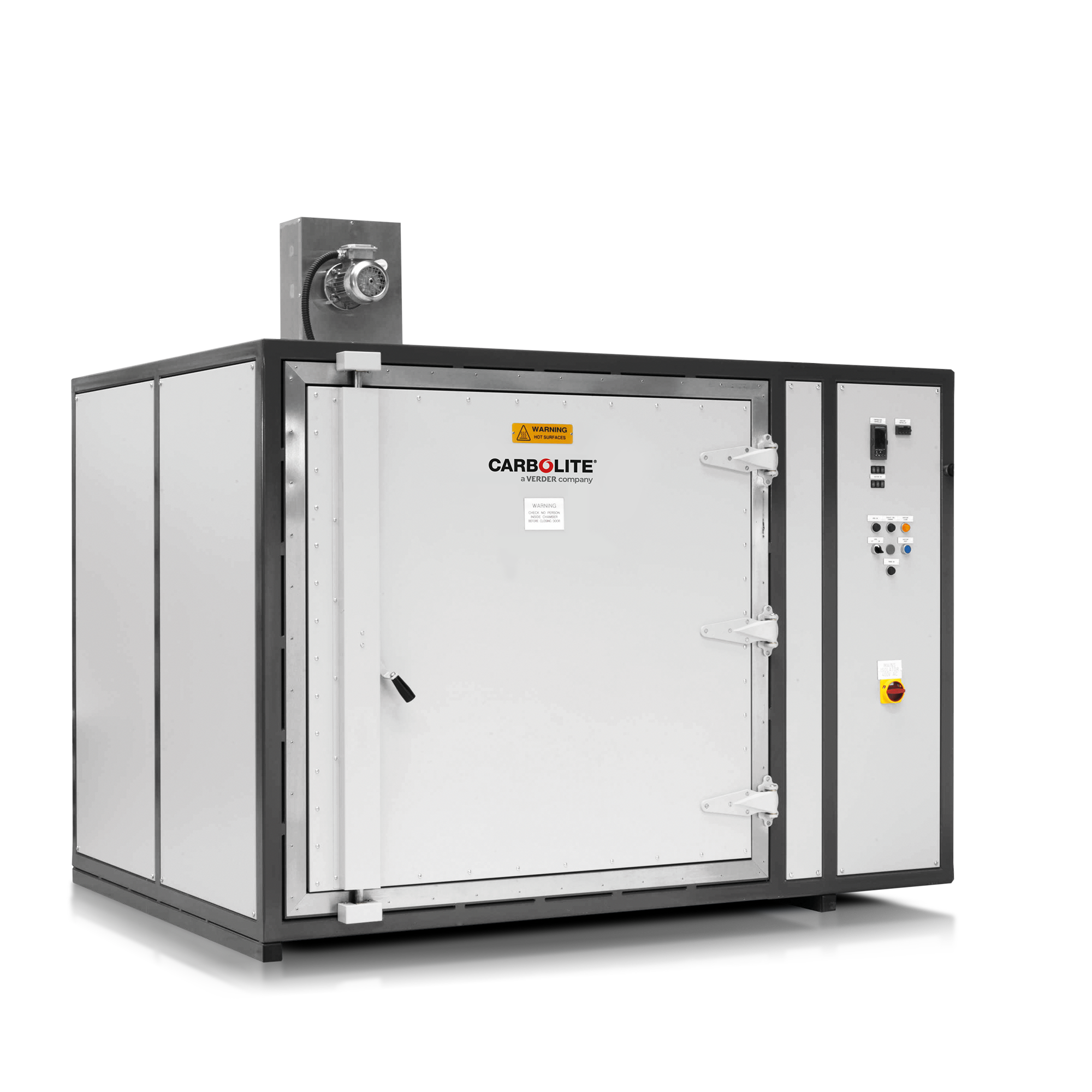
- Maximum temperatuur: 400 - 700 °C
- Volume: 95 naar 343 liter
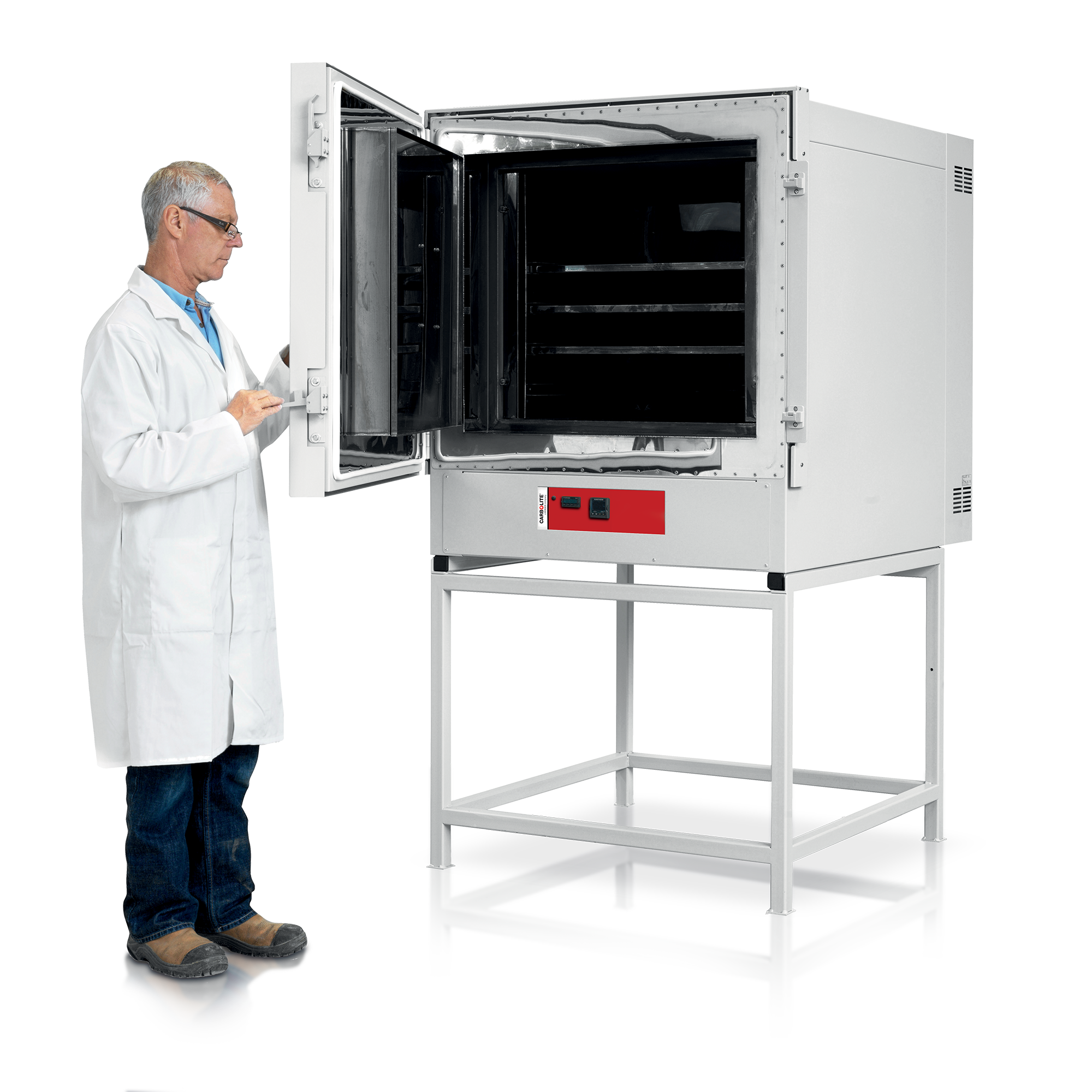
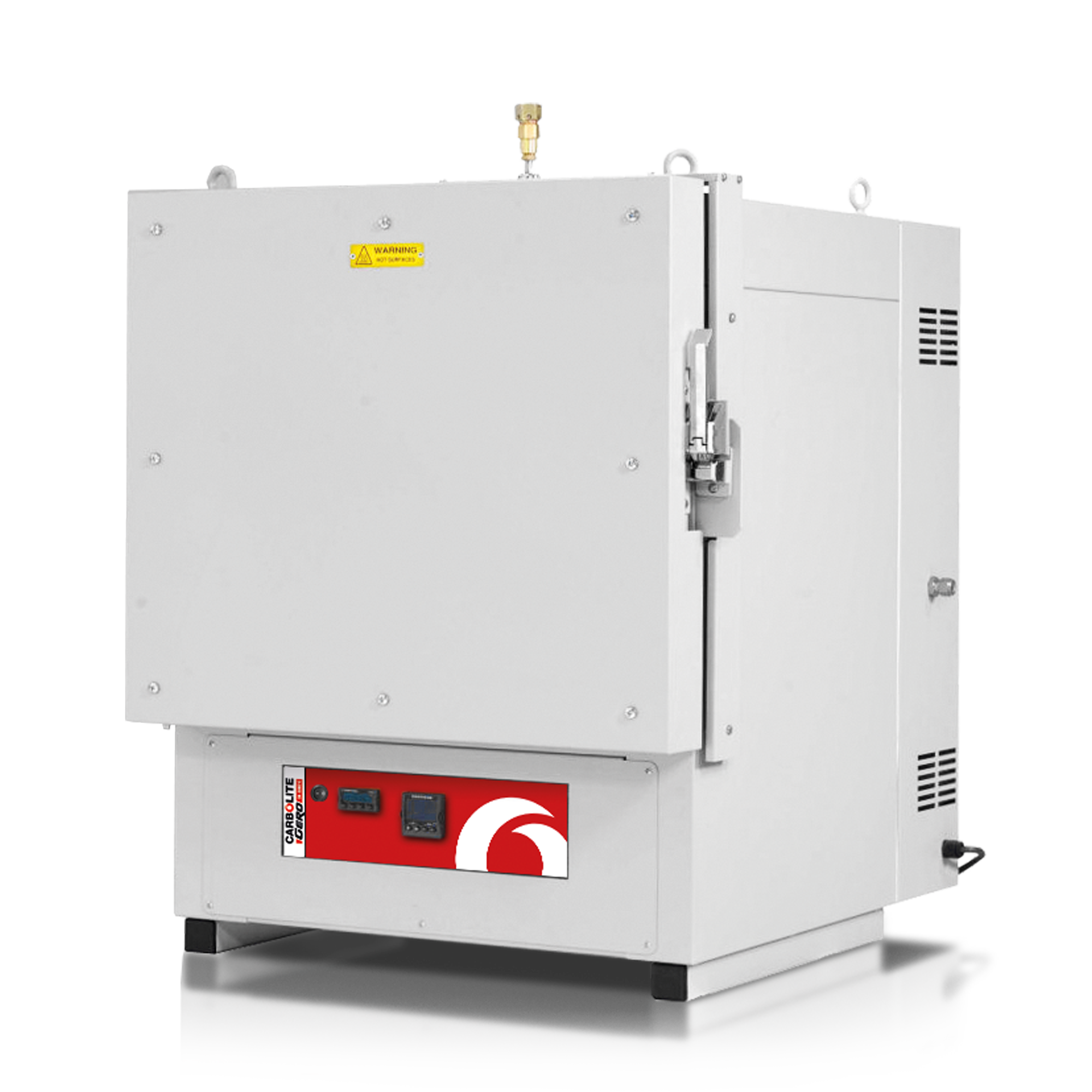
- Maximum temperatuur: 400 - 600 °C
- Volume: 95 naar 220 liter
Background information
Drying is the process of removing moisture from a sample. Carbolite offers a range of drying ovens for different applications.
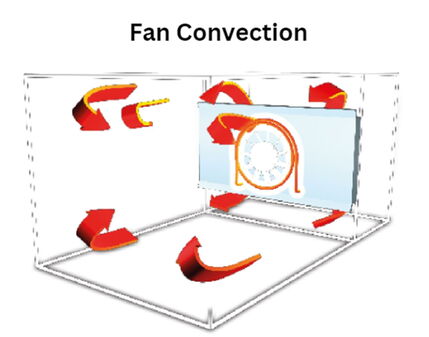
Our fan-assisted oven range facilitates air movement within the chamber, ensuring dry air around the sample which results in a fast-drying action. Moist air is continuously extracted from the chamber and replaced with dry incoming air.
The number of air changes, which refers to the volume of air changes per hour, can be adjusted according to the requirements. If drying delicate powders is a requirement, then the ‘fan speed control’ option can be utilised. By reducing the air movement within the chamber, delicate samples are less likely to be disturbed.
Moisture extraction is an option and can be employed in ovens with large chambers to increase the number of air changes (additional power is needed to compensate for the high number of air changes). However, a higher rate of air changes may reduce the achievable temperature uniformity within the drying chamber. To address this concern, pre-heated air inlets can be specified to maintain temperature uniformity.
Whilst dealing with drying processes that involve the release of corrosive off-gasses, it is important to consider its compatibility with an oven's construction materials. Corrosive off-gasses can lead to degradation, damage, or contamination of the oven's interior surfaces. Therefore, it is essential to assess the compatibility of the oven's construction materials with the specific off gasses present in your process. By contacting Carbolite you can obtain further information regarding the suitability of our ovens for processes involving corrosive off-gasses.
When drying materials that have explosive vapours it is essential that a dedicated 'stoving and curing' oven should adhere to the safety standard EN1539. An oven in this range will include safety features such as explosion relief panels, and airflow levels appropriate for the sample materials which are being dried.
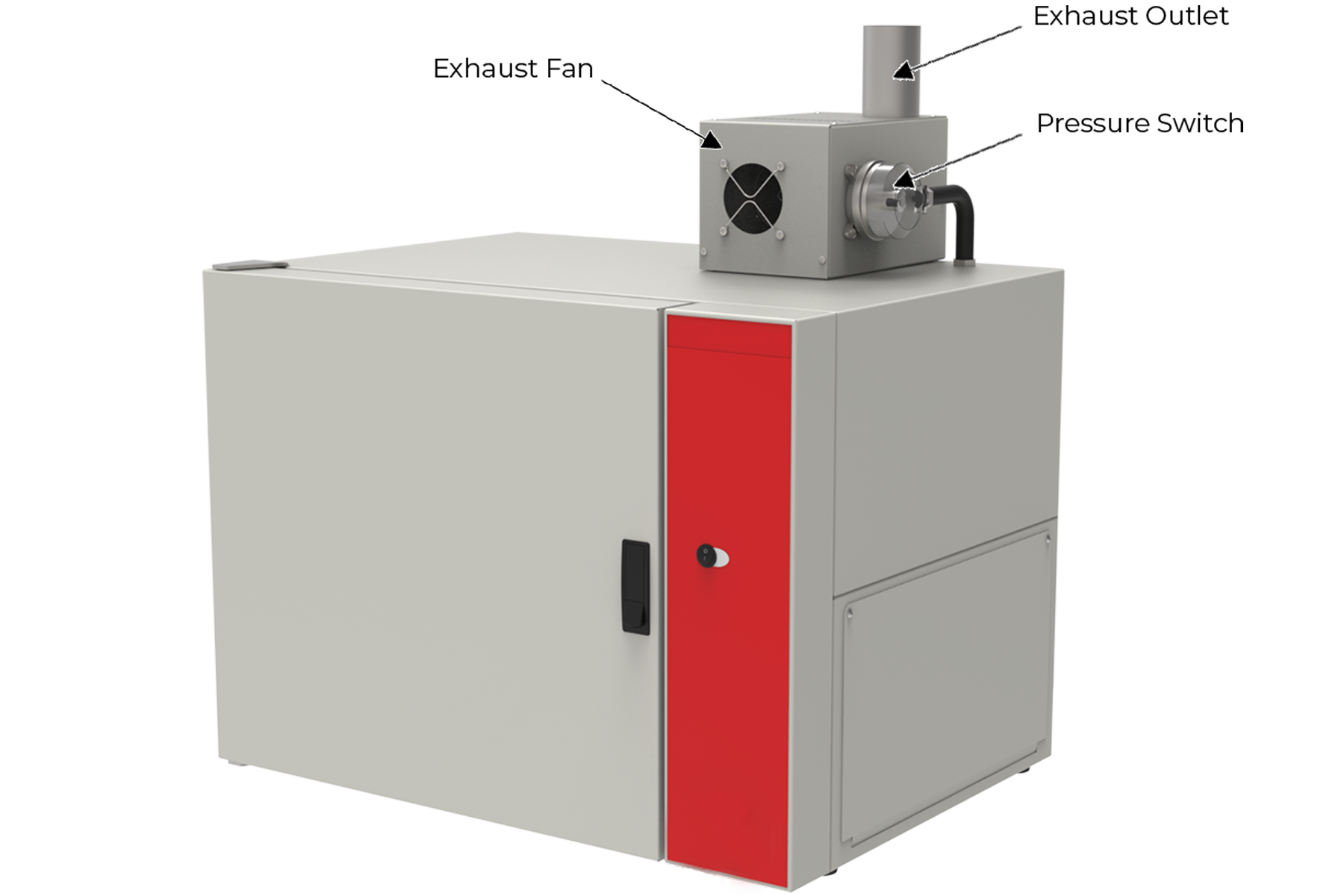
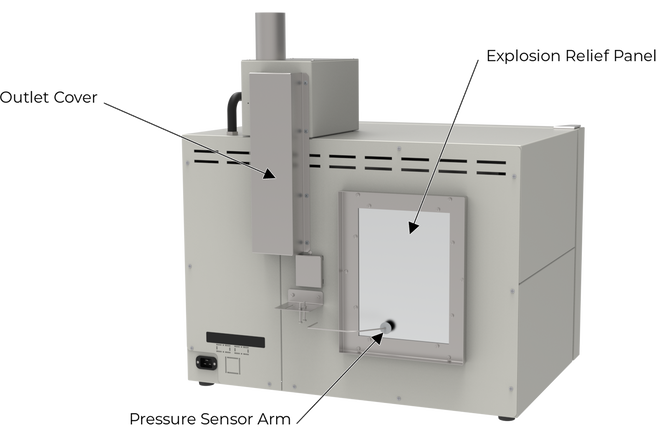
To reduce the oxygen content within the chamber, an option of an inert gas inlet is available. Even though the drying chamber does not have an airtight seal, it still allows a decrease in the oxygen levels. This provides a useful environment for certain heat treatments.
Carbolite ovens are designed for operation in ISO 14644-1 environments, this is a solution for drying in a clean room setting. This includes particle-free silicone rubber door seals, fully enclosed brushless fan motors and stainless-steel interiors. These ovens are frequently installed in the 'grey zone' for easy maintenance and the chamber is accessed through the clean room wall in the style of a 'pass through'.
Drying ovens Toepassingsvoorbeelden
- Drying ovens can be used for dry heat sterilisation or depyrogenation. These applications are used to ensure drug products are free of contamination. Solutions for these drying applications include ovens running below 600°C.
- Drying is an integral step in processing and manufacturing materials using the Sol-gel method. The drying process leads to a significant amount of shrinkage and densification. Hence, having an excellent solvent evaporation rate and temperature uniformity is important as it influences the material's microstructure. The stoving and curing option is implemented in the drying ovens due to the release of hazardous volatiles from the precursor.
- Drying and curing is an essential part of the process for producing high-quality paints and varnishes. The drying process removes the solvent from the sample and the curing process hardens the material coating, making it more resilient against damage and wear. Drying ovens for this application are implemented with the stoving and curing option due to the release of hazardous volatiles.

Drying ovens Performance data
To achieve the ideal conditions for drying, an oven’s temperature uniformity, temperature stability and heat-up rate are tested to ensure reliable and consistent results.
Heat-up rate refers to how quickly an oven can reach the desired process temperature. This is an important parameter when testing drying ovens because it creates an impact on the quality, efficiency and safety of the drying process. Having a slow heat-up rate leads to longer drying times whilst having a faster heat-up rate can cause uneven heating and thermal damage within the sample.
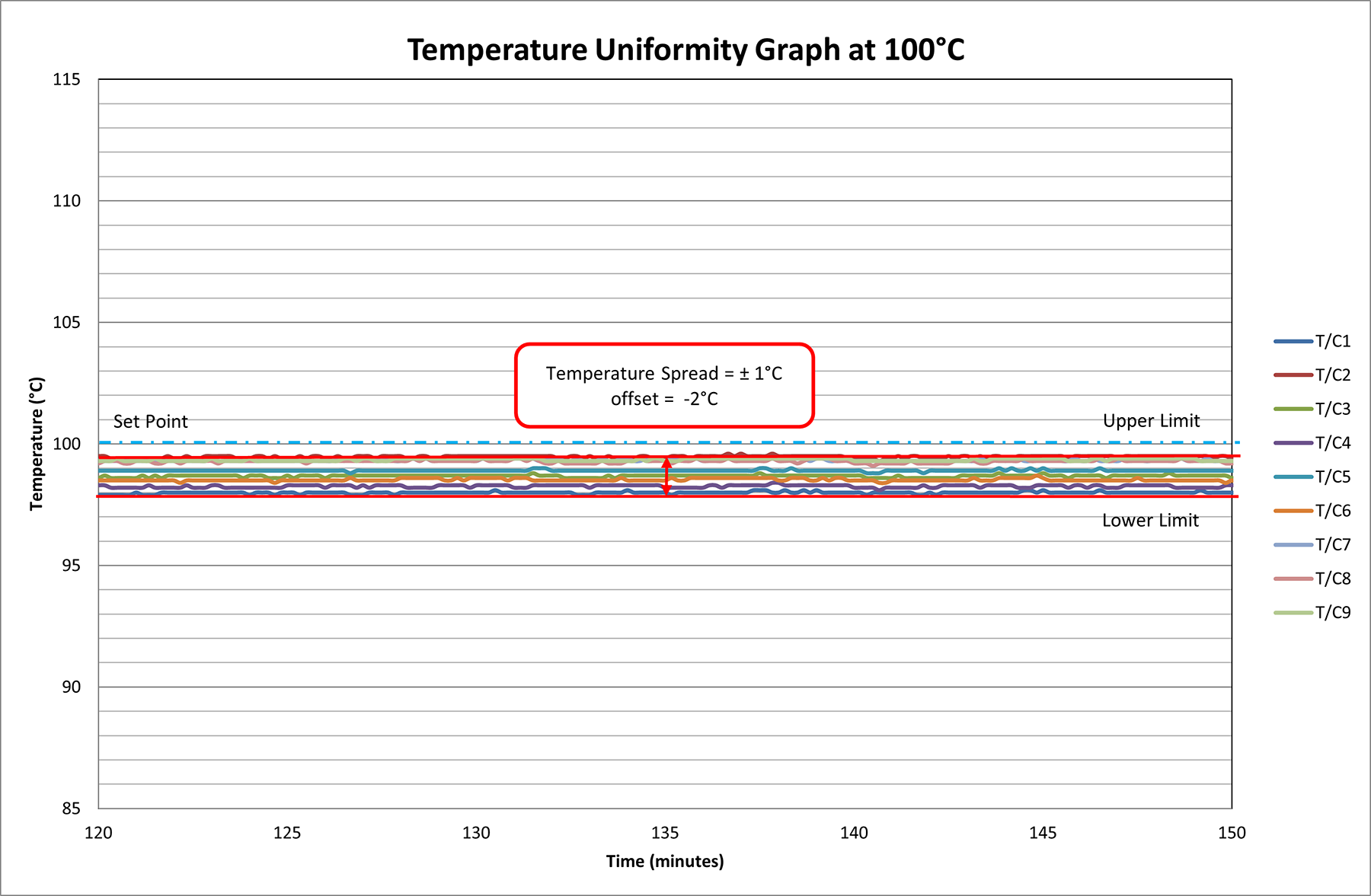
Temperature uniformity refers to how consistent the heating profile is within an oven’s chamber. This is crucial to achieve excellent production results and uniform quality across all drying samples. Having temperature fluctuations in an oven often leads to a difference in the quality between each drying sample.
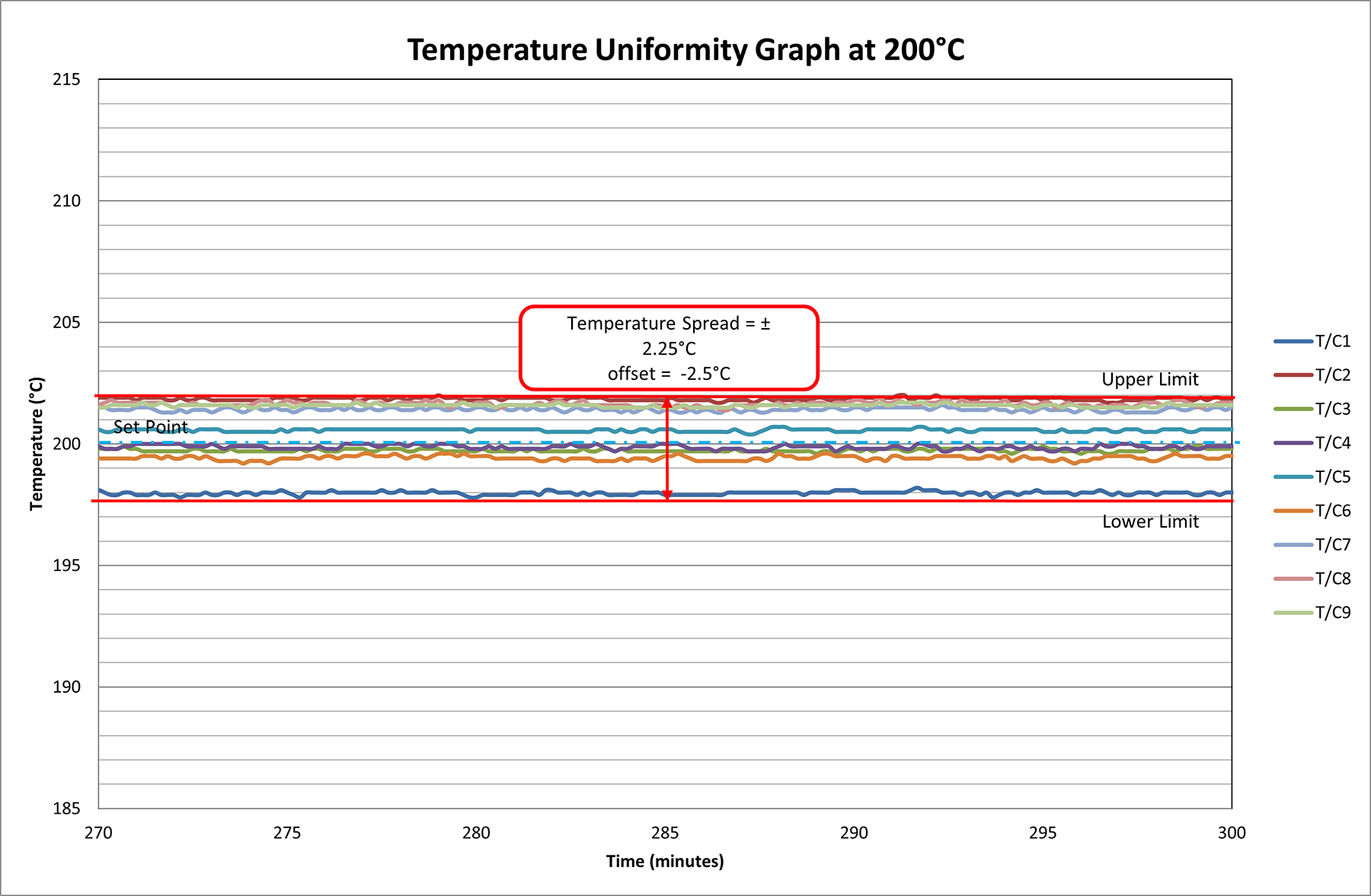
Temperature uniformity refers to how consistent the heating profile is within an oven’s chamber. This is crucial to achieve excellent production results and uniform quality across all drying samples. Having temperature fluctuations in an oven often leads to a difference in the quality between each drying sample.
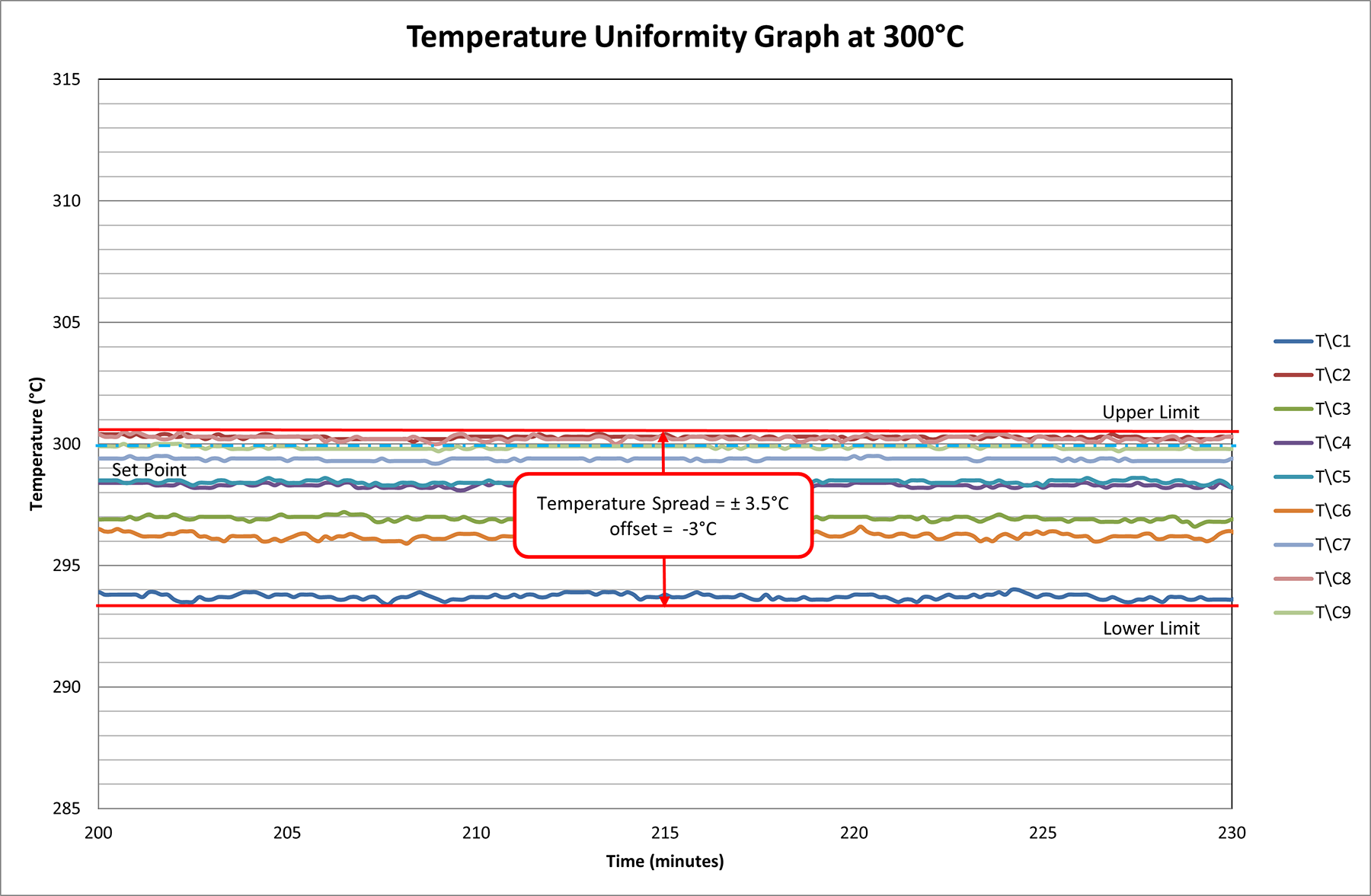
Temperature uniformity refers to how consistent the heating profile is within an oven’s chamber. This is crucial to achieve excellent production results and uniform quality across all drying samples. Having temperature fluctuations in an oven often leads to a difference in the quality between each drying sample.
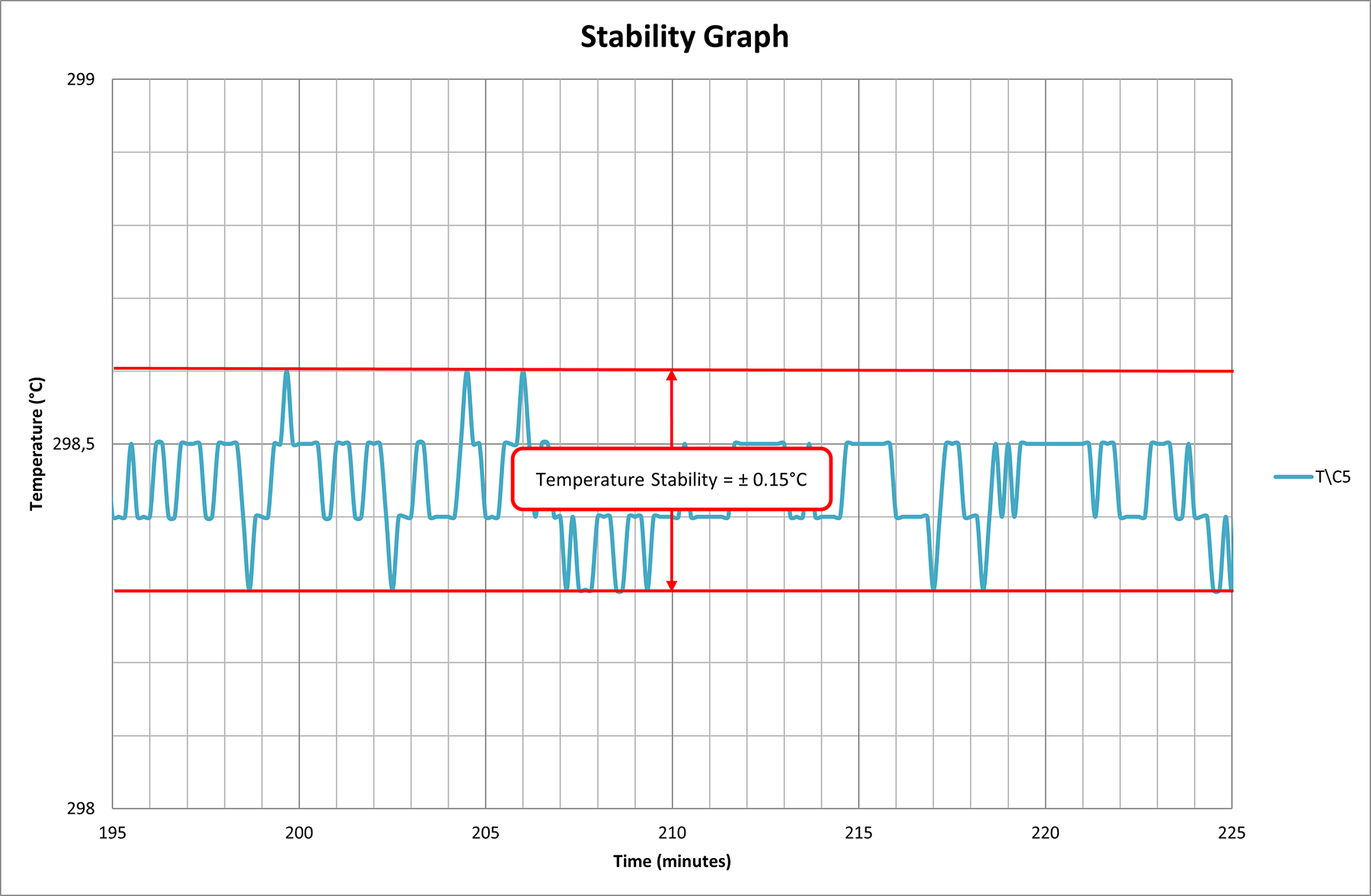
Temperature stability is an important testing factor that indicates if an oven can maintain a steady temperature throughout the process. This needs to be maintained to prevent quality issues within the sample. Having an unstable oven can lead to inconsistency in drying which might cause part of the sample to be brittle and part of the sample to remain moist.
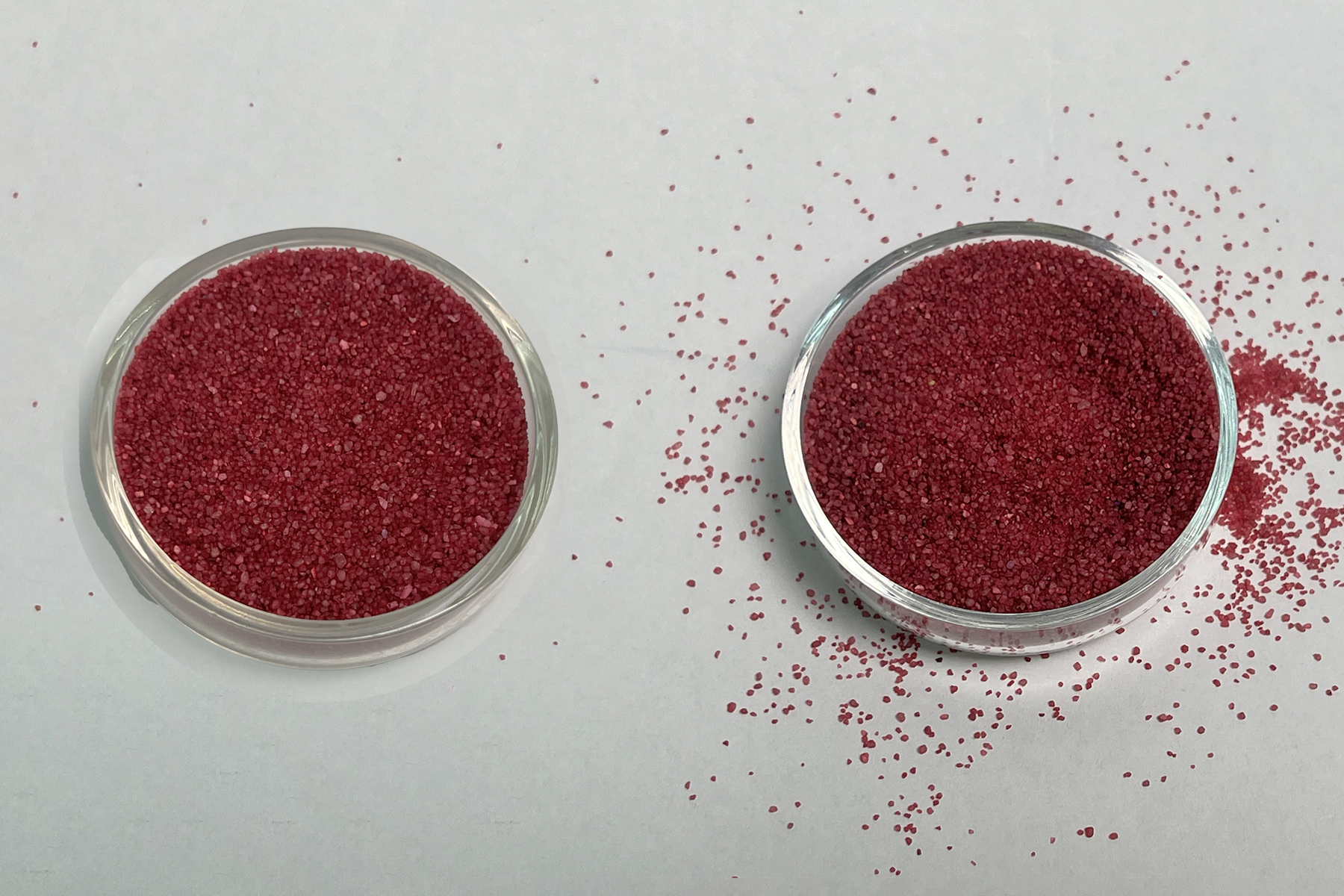
LEFT: A slow heat-up rate leads to longer drying times as there is slower rate of evaporation. This can potentially affect the drying process.
RIGHT: A rapid heat-up rate causes the sample to expand quickly. An inhomogeneous removal of solvent can cause the sample to contain cold and hot spots, changing the quality of the sample.
Contacteer ons voor een vrijblijvend advies
Carbolite products and services are available via a global network of daughter companies and fully trained distributors. Our staff will be happy to assist with any inquiry you might have.
Contact us for a free consultation and talk to a product specialist to find the most suitable solution for your application needs!

Drying ovens - FAQ
What is drying?
Drying is the process used to reduce the moisture content of a substance by heating it to a specific temperature. The drying oven’s temperature can be controlled to allow hot air to circulate in the chamber to make sure the substance is dried uniformly. Drying is used by many industries such as pharmaceuticals, materials testing, research and development, coatings and more. Carbolite offers custom solutions for drying ovens to support different applications.
What types of drying ovens do we offer?
Carbolite focuses on fan-assisted ovens that allow air to circulate within the oven's chamber, providing faster and more efficient drying. A fan speed control option can be utilised to reduce the air movement around the chamber. A moisture extraction or a stoving and curing option can be made available for the extraction of water vapours or flammable volatiles. Check out the Carbolite products page for more information on international standards and the custom solutions available for each oven.
What is the typical operating temperature of a laboratory oven?
The typical operating temperature of a laboratory oven is entirely dependent on the application requirements. Carbolite supplies ovens with temperatures ranging up to 300°C for applications such as drying and moisture extraction. For applications such as annealing, Carbolite offers ovens that require temperatures up to 600 or 700°C.
What should i consider when buying a drying solution?
Consider the required volume, maximum temperature, temperature uniformity and if the sample is a compact solid or loose powder. It is important to consider your specific application. If the main purpose is the drying of samples, it may be beneficial to consider modifications specifically designed for moisture extraction. Similarly, if the samples contain solvents, explosion relief panels and other options designed to relieve pressure and reduce the risk of explosions are required.